Podcast
The Minefield
Episodes — page 9
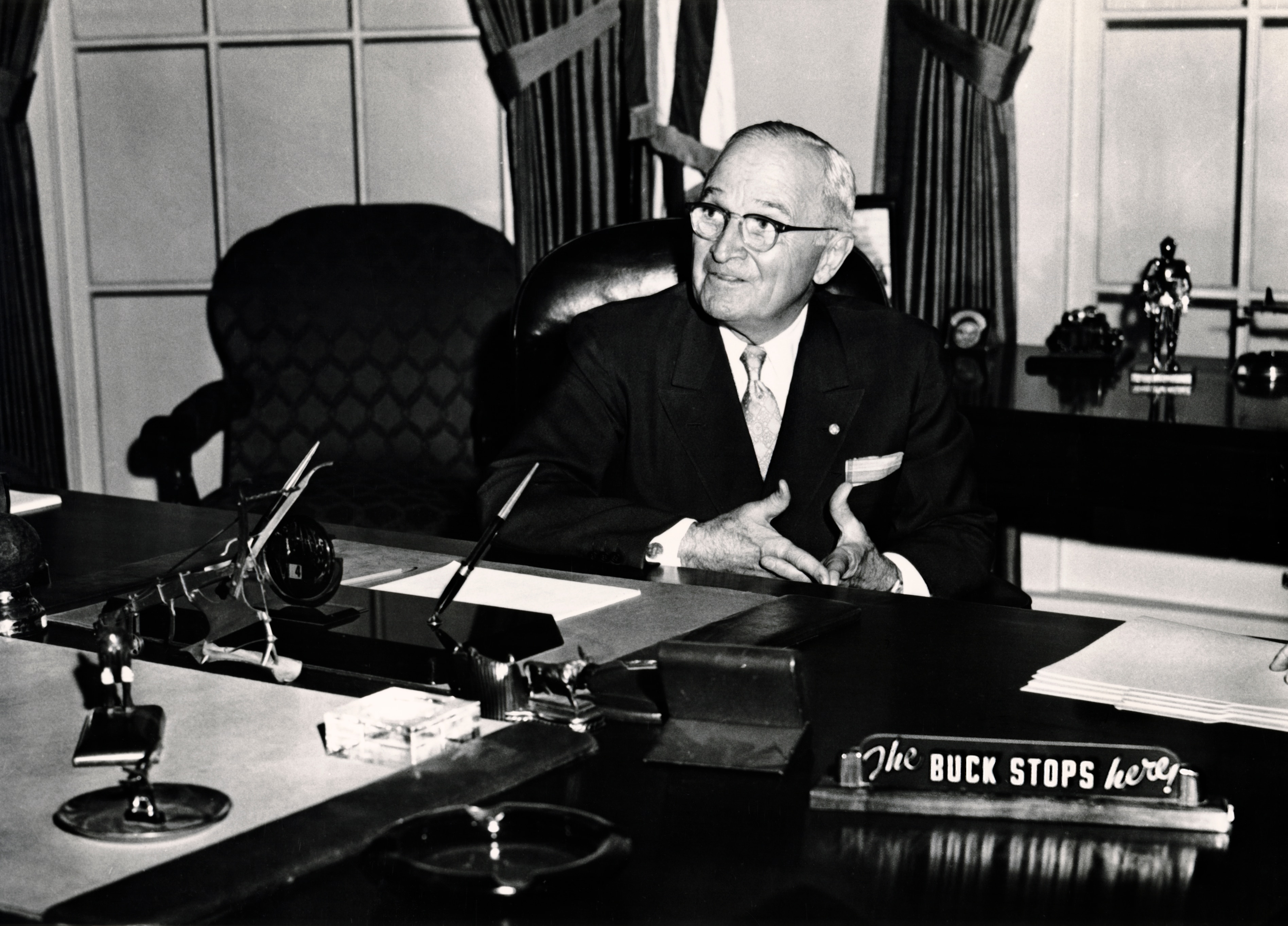 1 May 1956: Was Elizabeth Anscombe right to charge Harry Truman with murder?
When Oxford University proposed to confer an honorary degree on the man who ordered an atomic bomb to be dropped on Hiroshima and Nagasaki, philosopher Elizabeth Anscombe condemned…
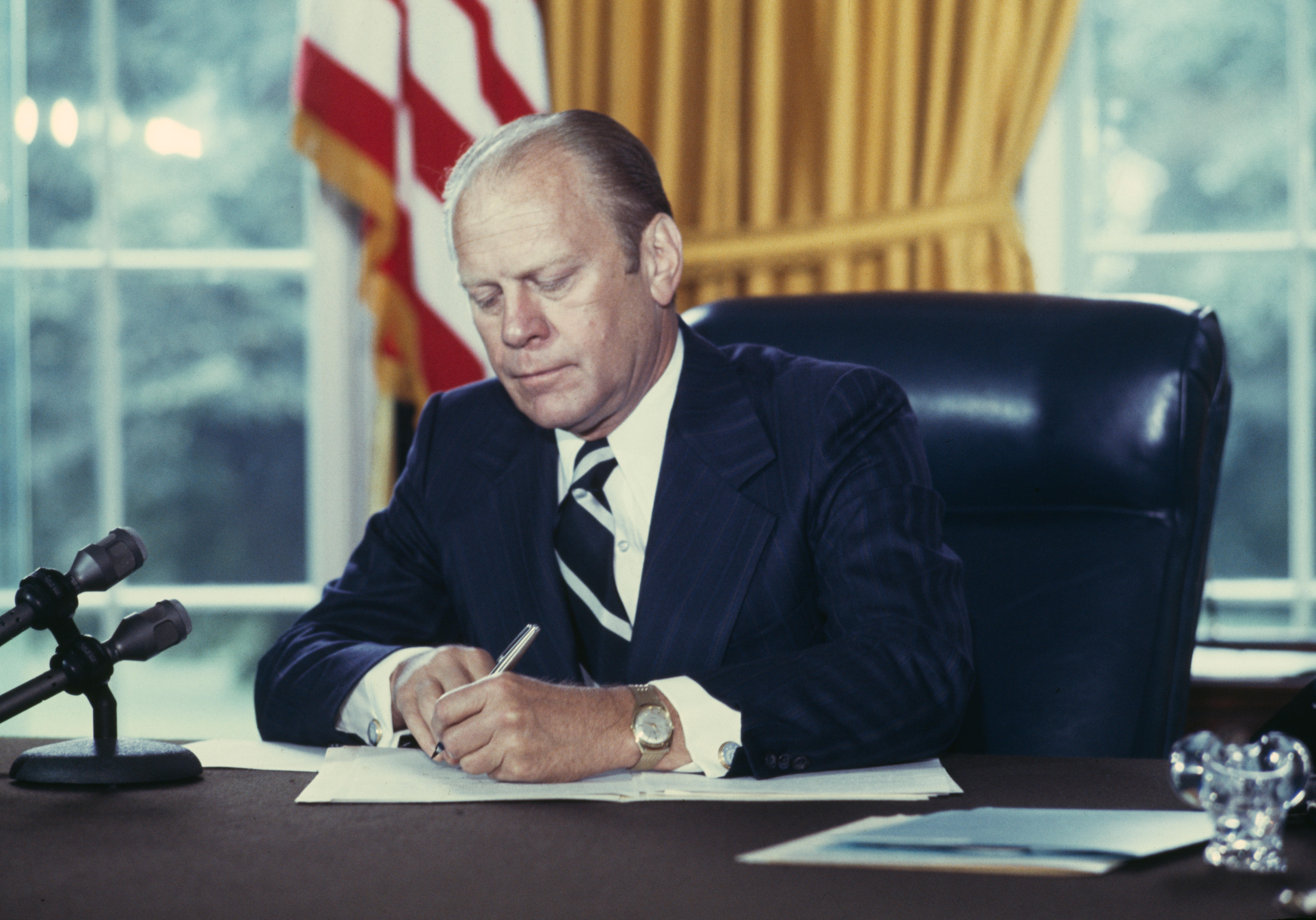 8 September 1974: Was Gerald Ford right to pardon Richard Nixon?
When US President Gerald Ford pardoned Nixon of his crimes, did he thereby place the presidency above the law — or did he understand a hard reality about democratic politics that s…
 Is there any benefit to boredom?
It is fair to say that boredom is a distinctly modern terror. But, as Stan Grant discusses with Waleed and Scott, what if existential boredom points us to our deeper need?
 Does AI pose a threat to human life — and if so, what kind?
Are the doomsday scenarios associated with Artificial “Super” Intelligence distracting us from the ways that the pervasive use of AI is already corrupting our use of language and t…
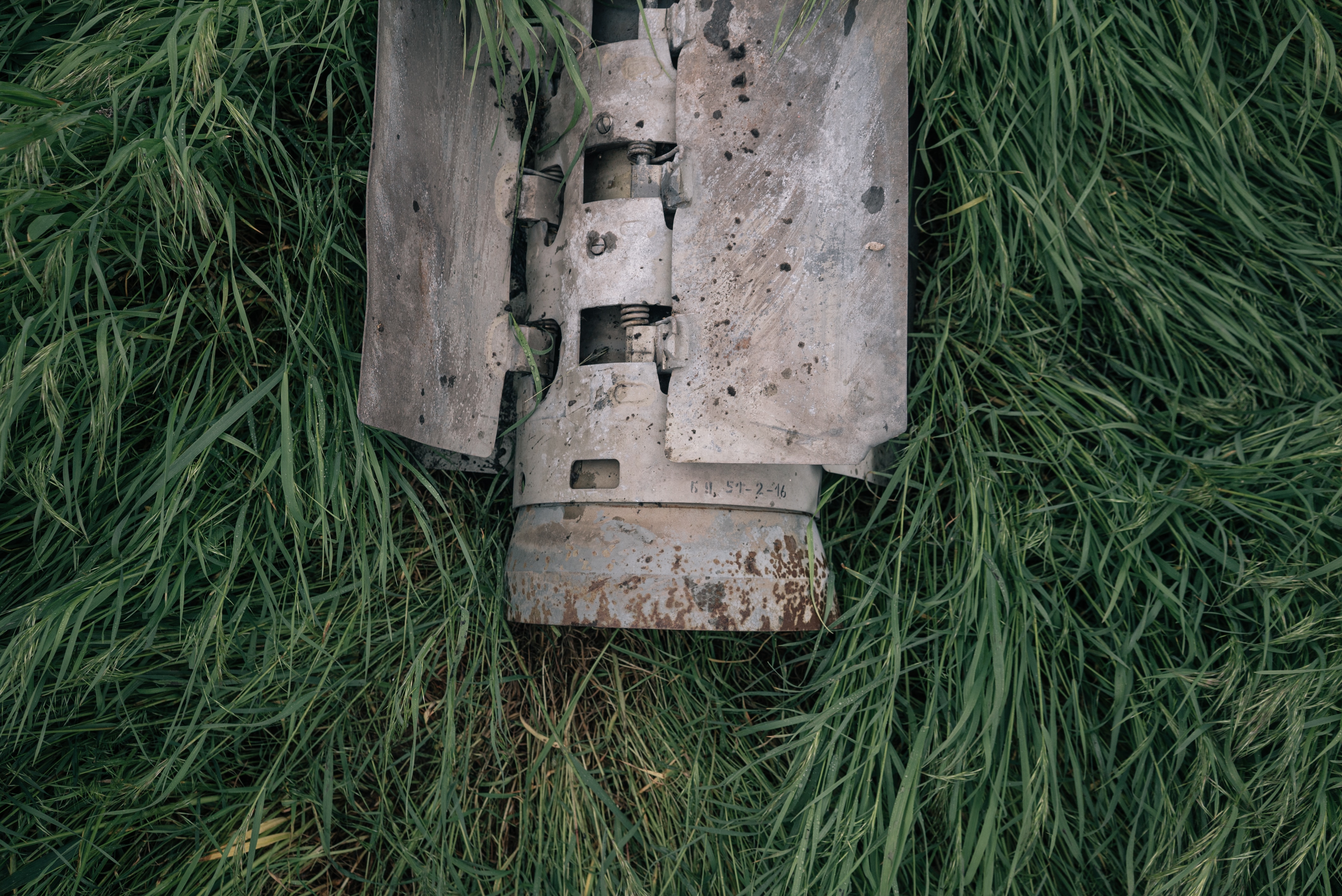 Are cluster munitions a “lesser evil” in the war in Ukraine?
Earlier this month, US President Joe Biden made the surprising decision to supply Ukraine with cluster munitions. Does the threat posed by Russia outweigh the moral considerations…
 Why do we distance ourselves from our age?
Western culture’s association of ageing with decline and obsolescence fuels (and is fuelled by) a desire to dissociate ourselves from our age — but such forms of subtle and overt a…
 What does it take to address a “wicked problem” like political corruption?
The newly formed National Anti-Corruption Commission faces both unrealistic expectations and a potentially fraught political climate. Professor A.J. Brown joins Waleed and Scott to…
 What are playlists doing to our ability to listen to music?
Platforms like Spotify have transformed the way people listen to music through their use of recommendation algorithms and customised playlists designed to cater to either a particu…
 How to respond responsibly to the “cost of living crisis”?
The tendency over the past four decades has been for governments to try to shield their populations from energy shocks and their associated “cost of living” crises — but is such a…
 Does the Voice to Parliament undermine Australia’s political traditions?
The proposed Voice to Parliament is particularly susceptible to two arguments: that it violates the principle of equal citizenship; and that it will enshrine a divisive form of “id…
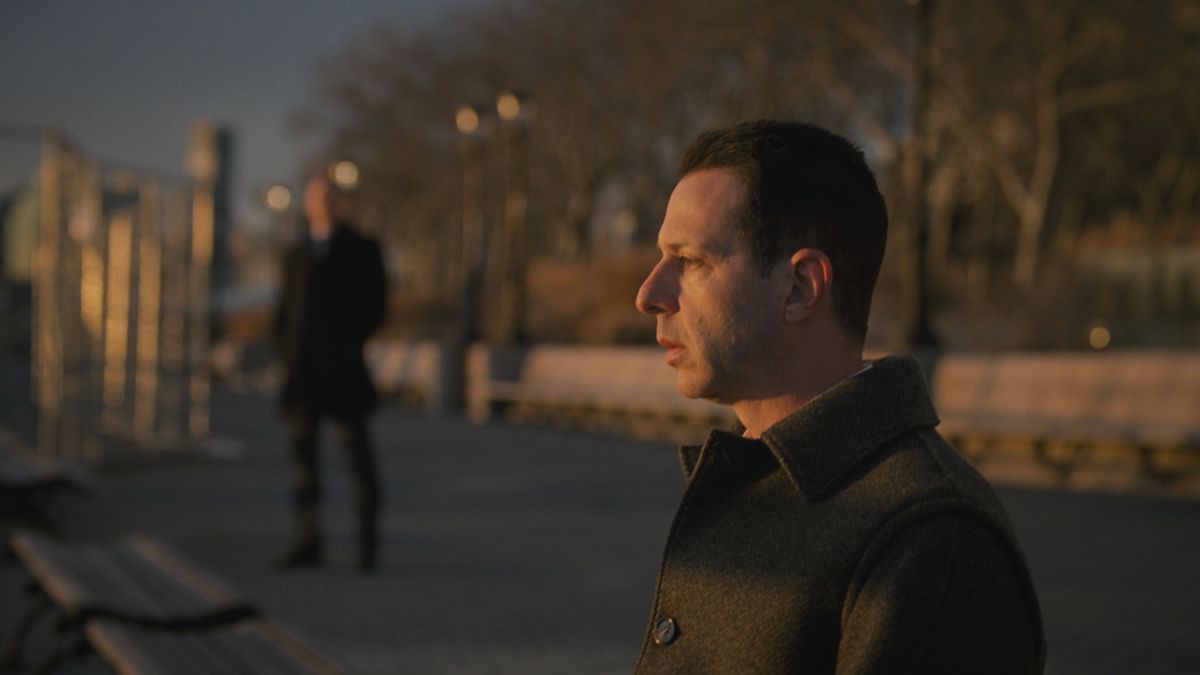 “Succession” — from tyranny to tragedy
The final season of HBO’s prestige television series Succession confirms that the various characters’ willingness to betray, deceive, manipulate and enact an unrelenting cruelty up…
 Are Labor’s “stage three” tax cuts unjust and unethical?
It’s been a long time since a policy adopted by the federal government has presented such a knot of party-political, parliamentary, social and ethical problems — Professor Miranda…
 Is Stan Grant’s decision the result of a broken media?
At the end of Monday’s Q+A, Wiradjuri man and journalist Stan Grant stated: “We in the media must ask if we are truly honouring a world worth living in.” Why aren’t more taking him…
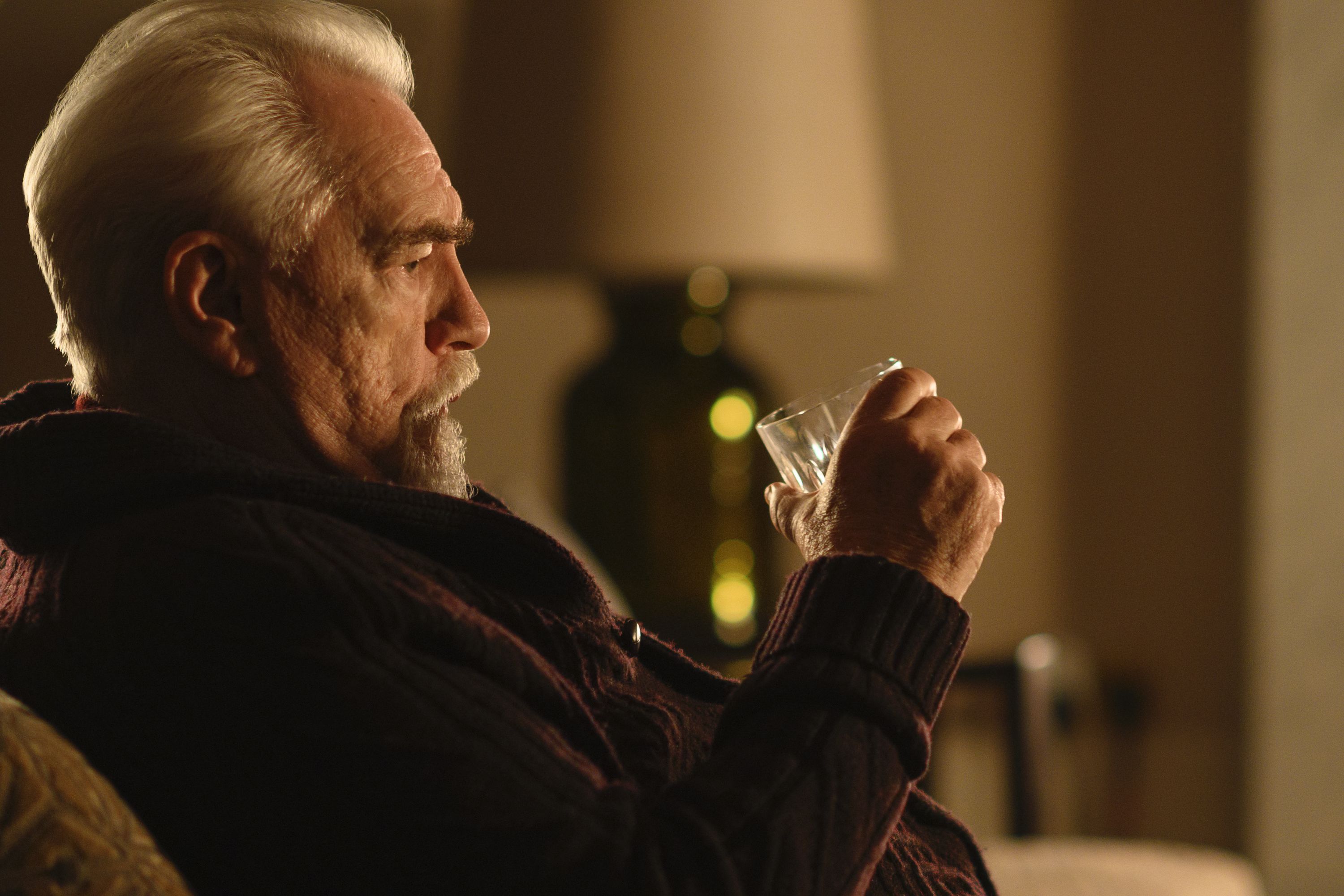 What is the human cost of success? Revisiting HBO’s Succession
As the fourth and final series of the HBO television show “Succession” approaches its finale, Waleed Aly and Scott Stephens revisit the first three seasons. Why does this show matt…
 What is the phenomenon of “bigness” doing to human agency?
We live in an era dominated by vast digital platforms, what David Auerbach calls “meganets” – the sheer volume of data they trade in and numbers they produce seem to render them un…
 Is loneliness a problem that can be solved?
Hyperconnectivity has coincided with an epidemic of loneliness — but is loneliness simply part of the human condition? Samantha Rose Hill joins The Minefield to discuss whether we…
 Martial virtues, military conditioning, and moral damage
Can soldiers be trained to kill their fellow human beings without that training doing irreparable damage to the moral lives of the soldiers themselves?
 “An eye that cannot weep” — What does compassion demand of us?
In the final episode of our Ramadan series, we explore the roots of our occasional heedlessness when confronted by the plight and pleas of another person: What could make us callou…
 “Knowledge that does not benefit” — On the uses and abuses of information
In the fourth instalment of our Ramadan series, we discuss whether “knowledge” which is wielded in a way that demeans others, or which is accumulated as a form of vanity, can reall…
 “A soul that will not be satisfied” — The problem of human restlessness
For this third show in our Ramadan series, we’re asking what it is about the human condition that seems to drive it to perpetual discontentment? What is the virtue of repose, and w…