Podcast
The Minefield
Episodes — page 8
- Goya’s “Saturn” and its moral challenge
Spanish painter Francisco de Goya’s depiction of Saturn eating his son is a haunting portrait of lust and the fear of one’s own finitude. Christos Tsiolkas joins Waleed and Scott t…
- Politics, farce ... and Fawlty Towers
Now that John Cleese has announced that the iconic series will return, it’s worth examining what made Fawlty Towers a masterpiece — and whether its interaction with the political c…
- What are playlists doing to our ability to listen to music?
Platforms like Spotify have transformed the way people listen to music through their use of recommendation algorithms and customised playlists designed to cater to either a particu…
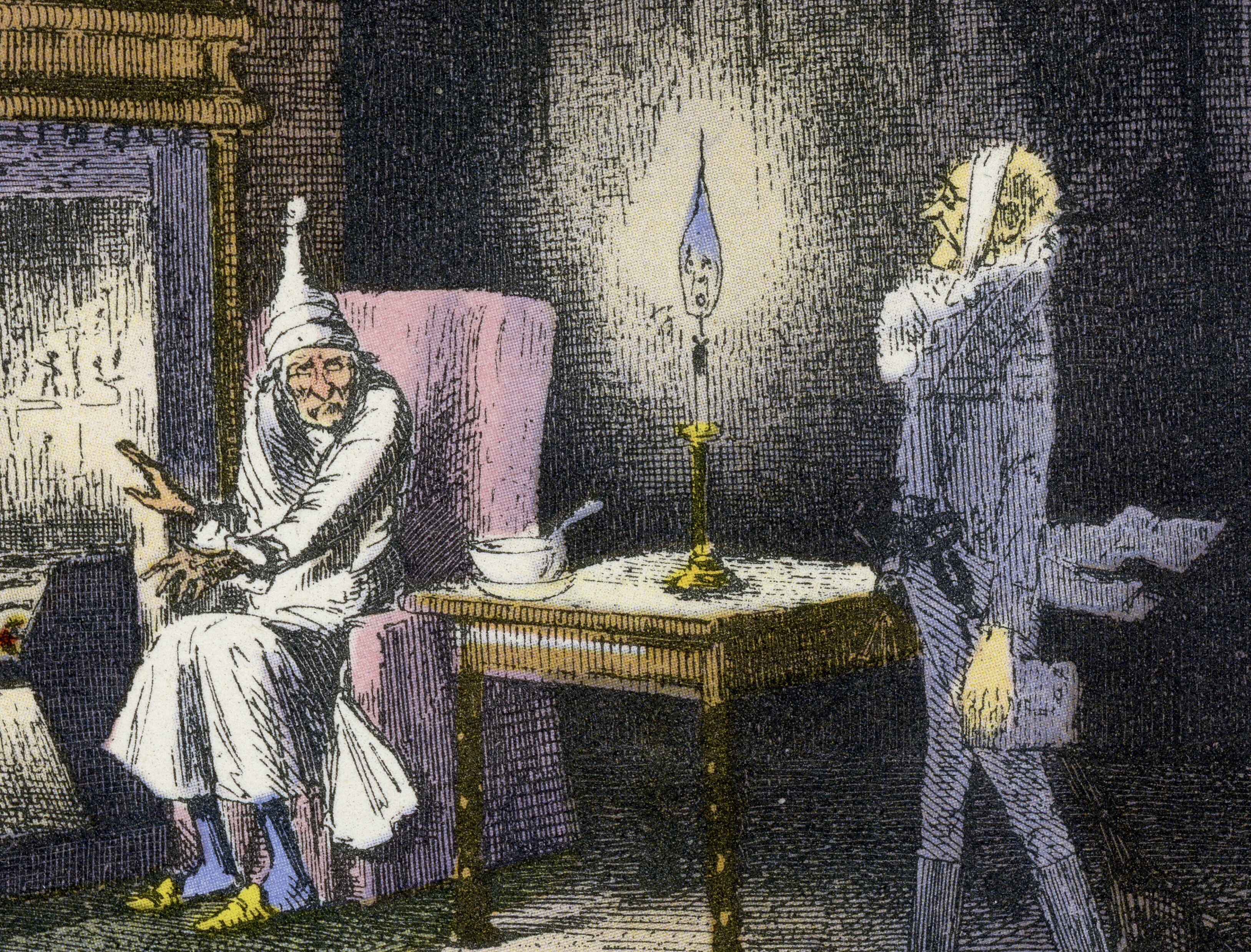 Dickens’s philosophy of generosity: Revisiting “A Christmas Carol”, 180 years on
Australian novelist Briohny Doyle joins Waleed Aly and Scott Stephens to examine Charles Dickens’s unforgettable tale of misanthropy and remorse, and discover how its aesthetic tec…
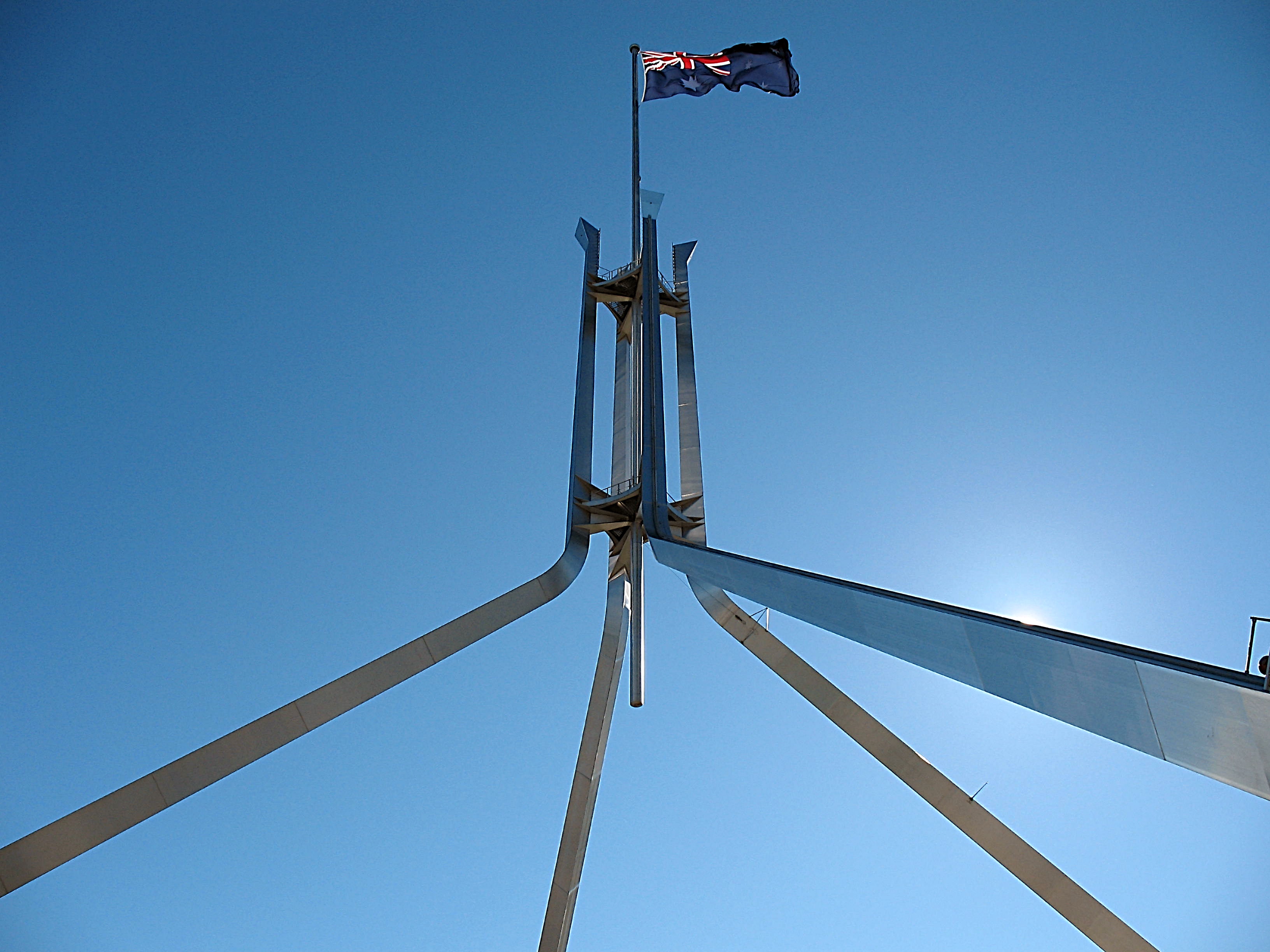 How much should we expect from the state?
What is a state for? How does its nature, actions, and limits differ from other corporate bodies? Is the relationship of a state to its citizens fundamentally that of a service pro…
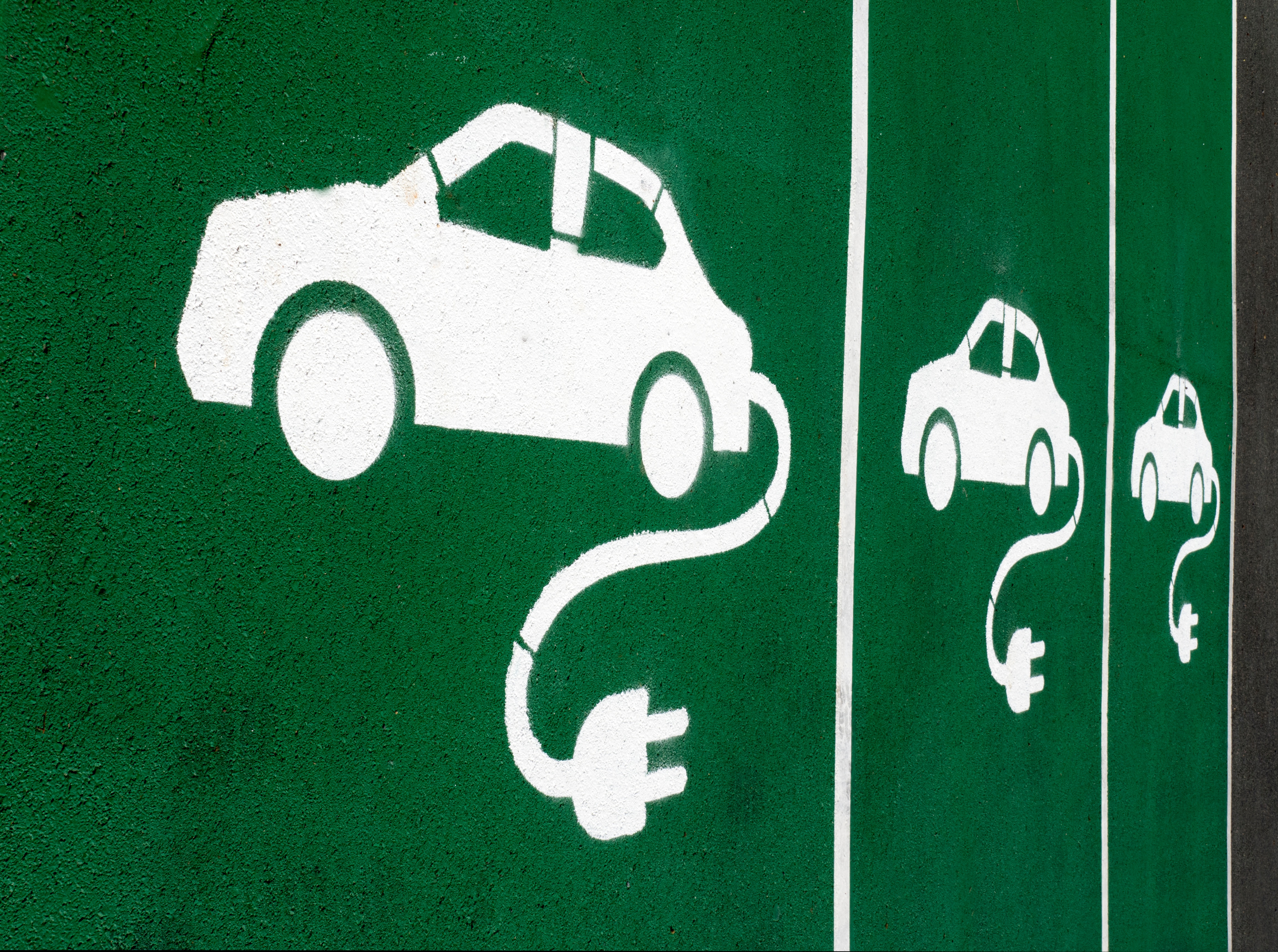 Should drivers of electric vehicles be taxed more to use the roads?
If we are not careful, the use of incentives to encourage people to purchase electric vehicles could backfire by offending our sense of fairness.
 What is social cohesion, what cultivates it, and what undermines it?
The latest Mapping Social Cohesion report from the Scanlon Foundation paints a complex picture that helps us understand the conditions within which social cohesion is able to stren…
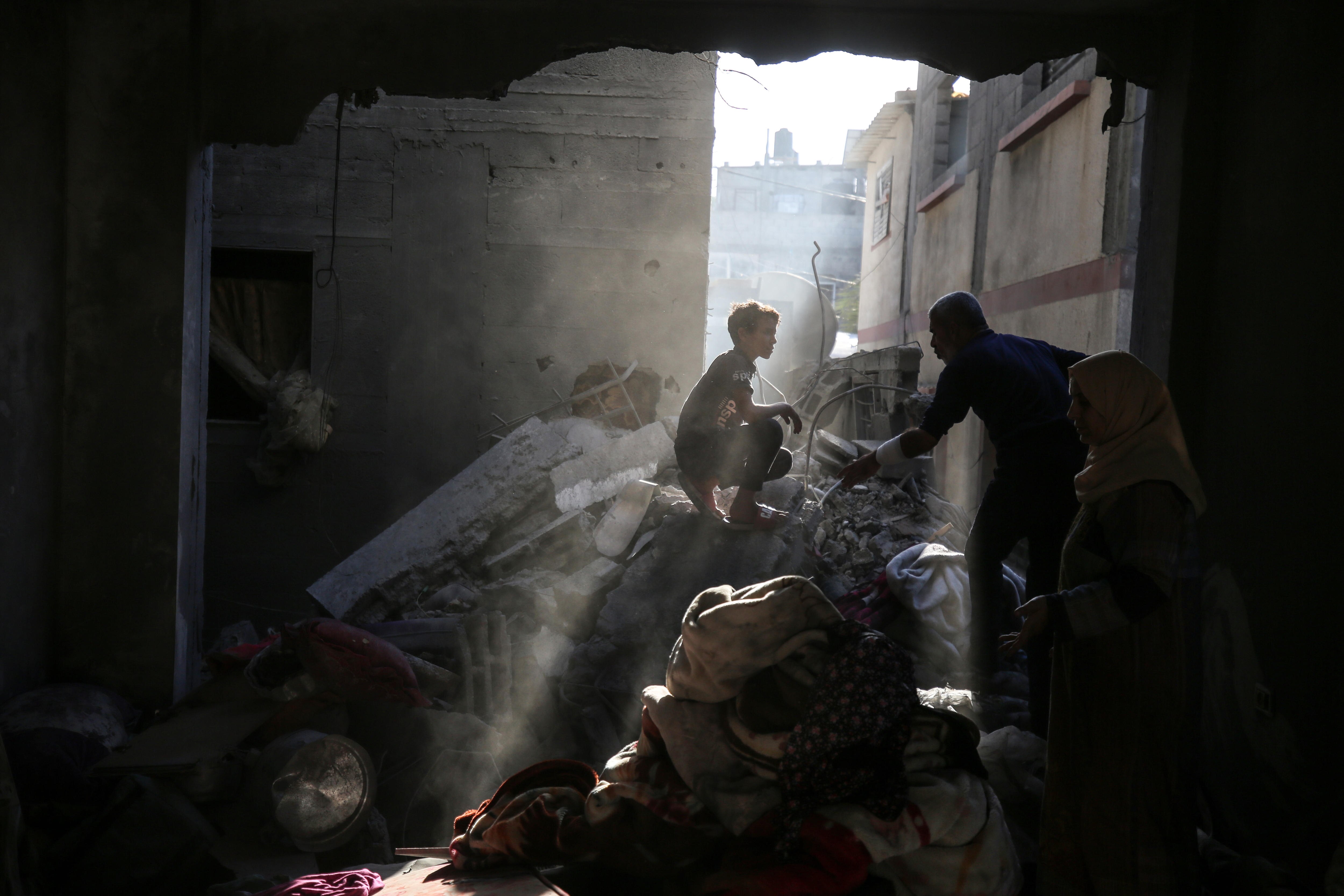 What is the moral case for a ceasefire in Gaza?
Calls for an end to the devastation of Gaza, and the death and displacement of its residents, reached a crescendo on Remembrance Day. While the moral case is compelling, it raises…
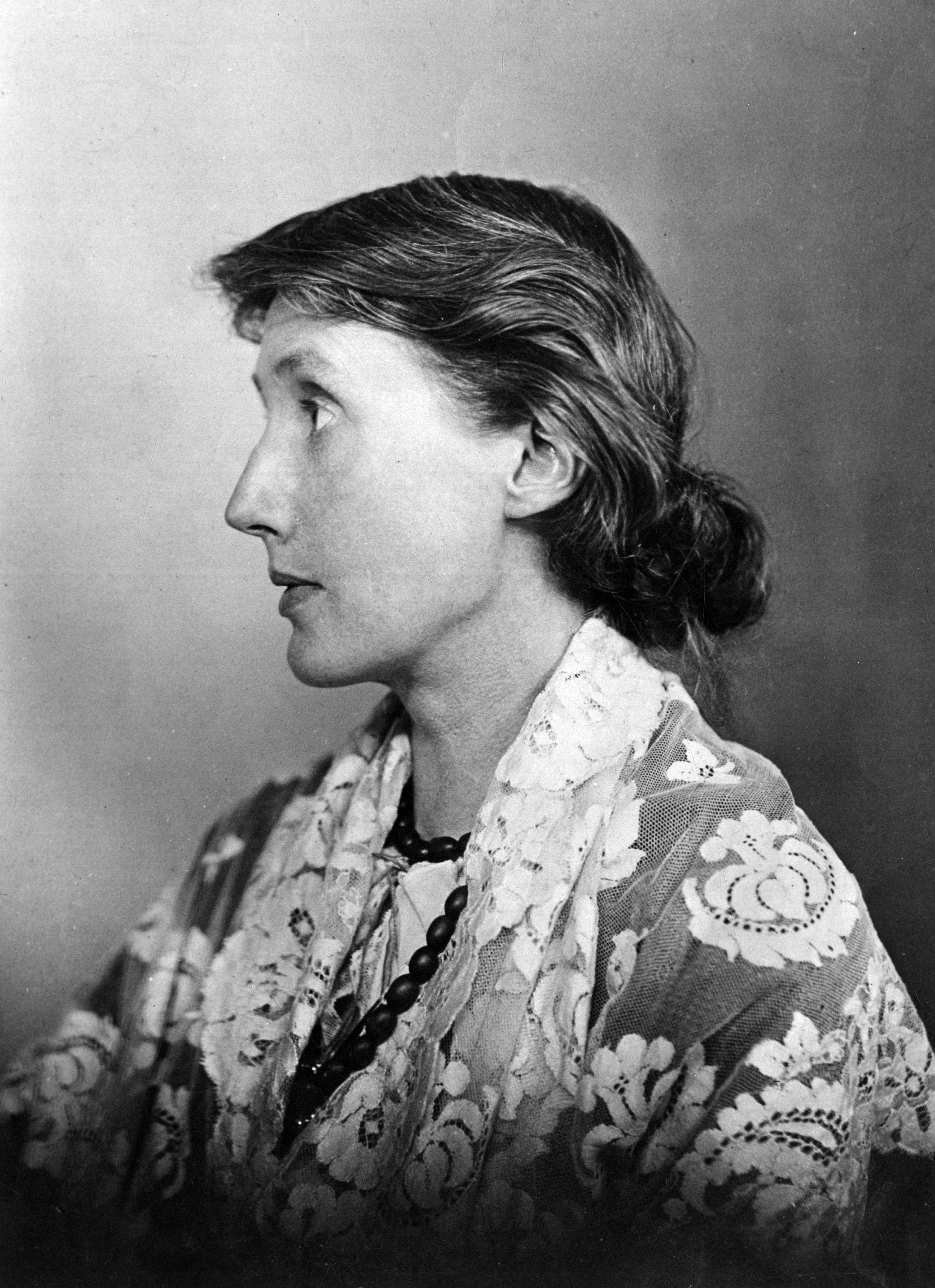 What’s behind the anger? On Virginia Woolf’s “A Room of One’s Own”
Nearly a century after its publication, Australian novelist Charlotte Wood joins Waleed and Scott to discuss what Virginia Woolf’s essay tell us about egotism, contempt, creative f…
 Do we know what the result of the Voice referendum means?
Because referenda are zero-sum contests, the message they convey is paradoxically both obscure and unambiguous — which is to say, their meaning is open to interpretation and uninte…
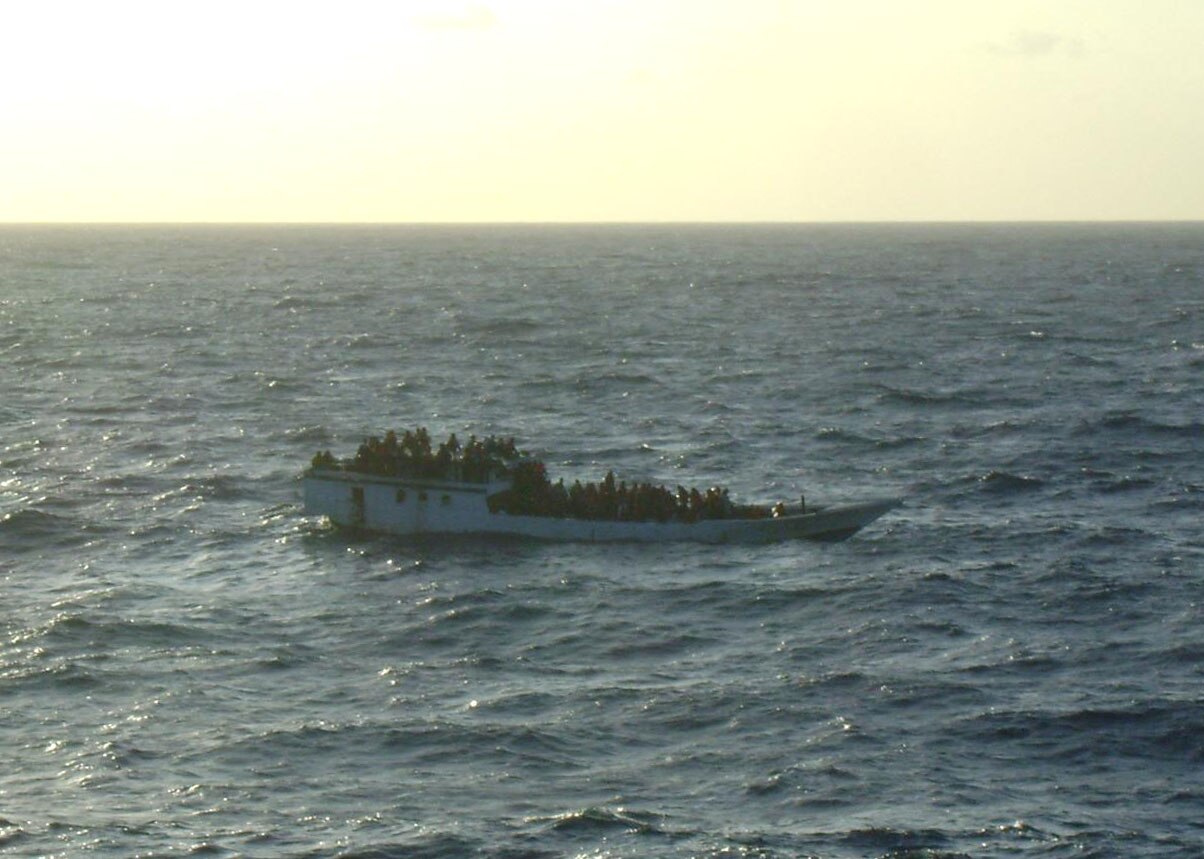 Is it time to reconsider Australia’s bipartisan commitment to “stopping the boats”?
Australia recently marked ten years since the introduction of Operation Sovereign Borders — a policy whereby refugees entering Australian waters by boat were met with unwavering, m…
 Some deaths matter more to us than others — but should they?
The civilian massacres in Israel on 7 October and the devastation inflicted on residents of Gaza both make claims on our humanity, on our capacity to recognise and respond to the d…
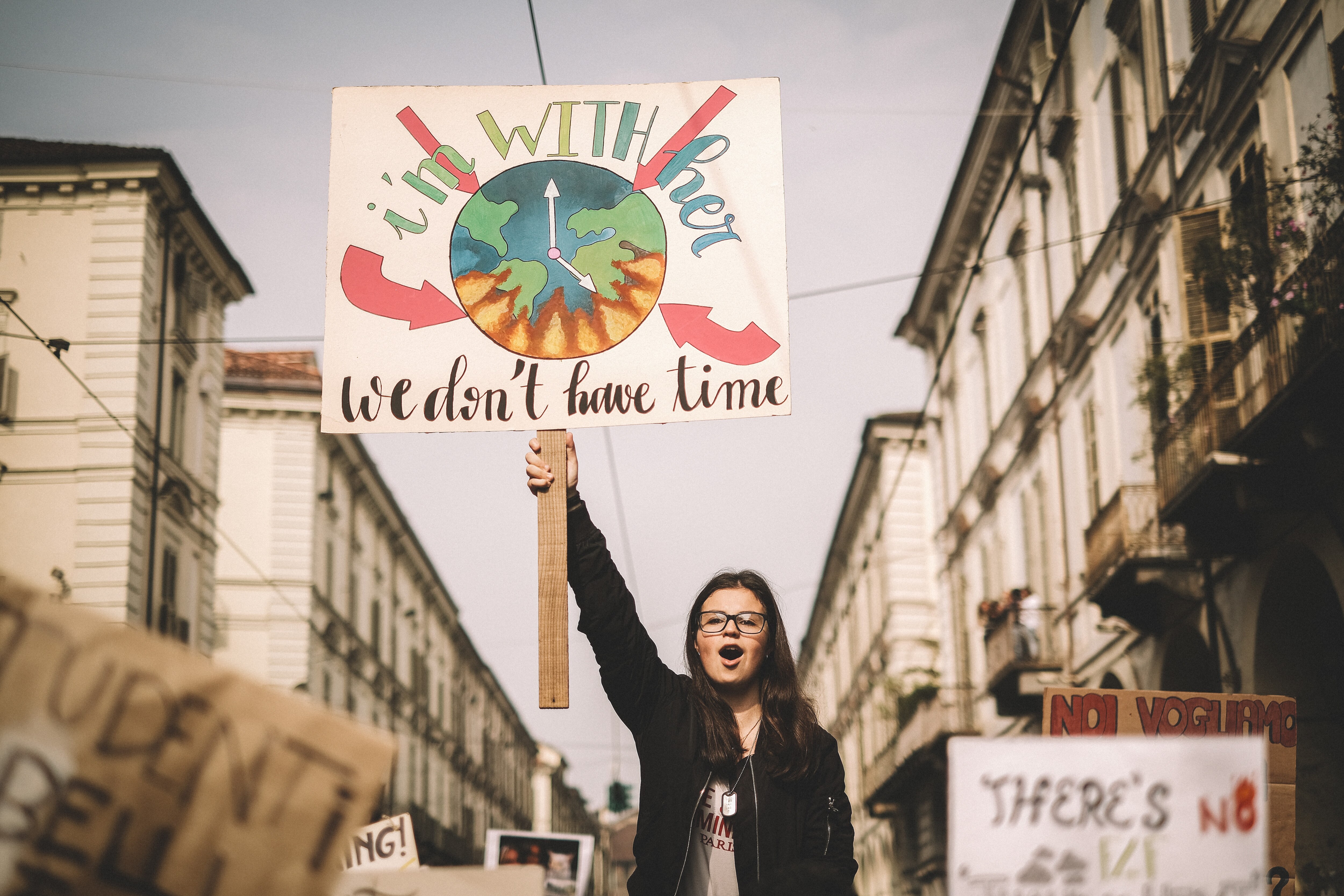 Can young people stay politically engaged without becoming disillusioned with democracy?
One of the great paradoxes of democracy is that those who will have to bear the consequences of the political decisions we make now have little-to-no say in the decision-making pro…
 Travel is bad for the climate — but what if it’s also bad for us?
Most of us are aware of the environmental costs associated with international tourism. But have we considered whether travel enhances or diminishes our moral lives?
- What’s the point of blame? When is it right to forgive?
Blame and forgiveness are two of the most natural responses to wrongdoing — and yet, increasingly, these responses are viewed with a degree of suspicion, if not outright hostility,…
 Can democracy withstand the strategic use of online confusion?
Is there any way of retrieving the deliberative conditions under which democratic life is possible, when the social media cacophony makes hearing one another so hard?
 In a critical age, are we losing the ability to say why we love what we love?
We’ve reached the point in mass culture, to say nothing of the “higher culture” of academia, when criticism is the norm. To the point that we increasingly define ourselves by what…
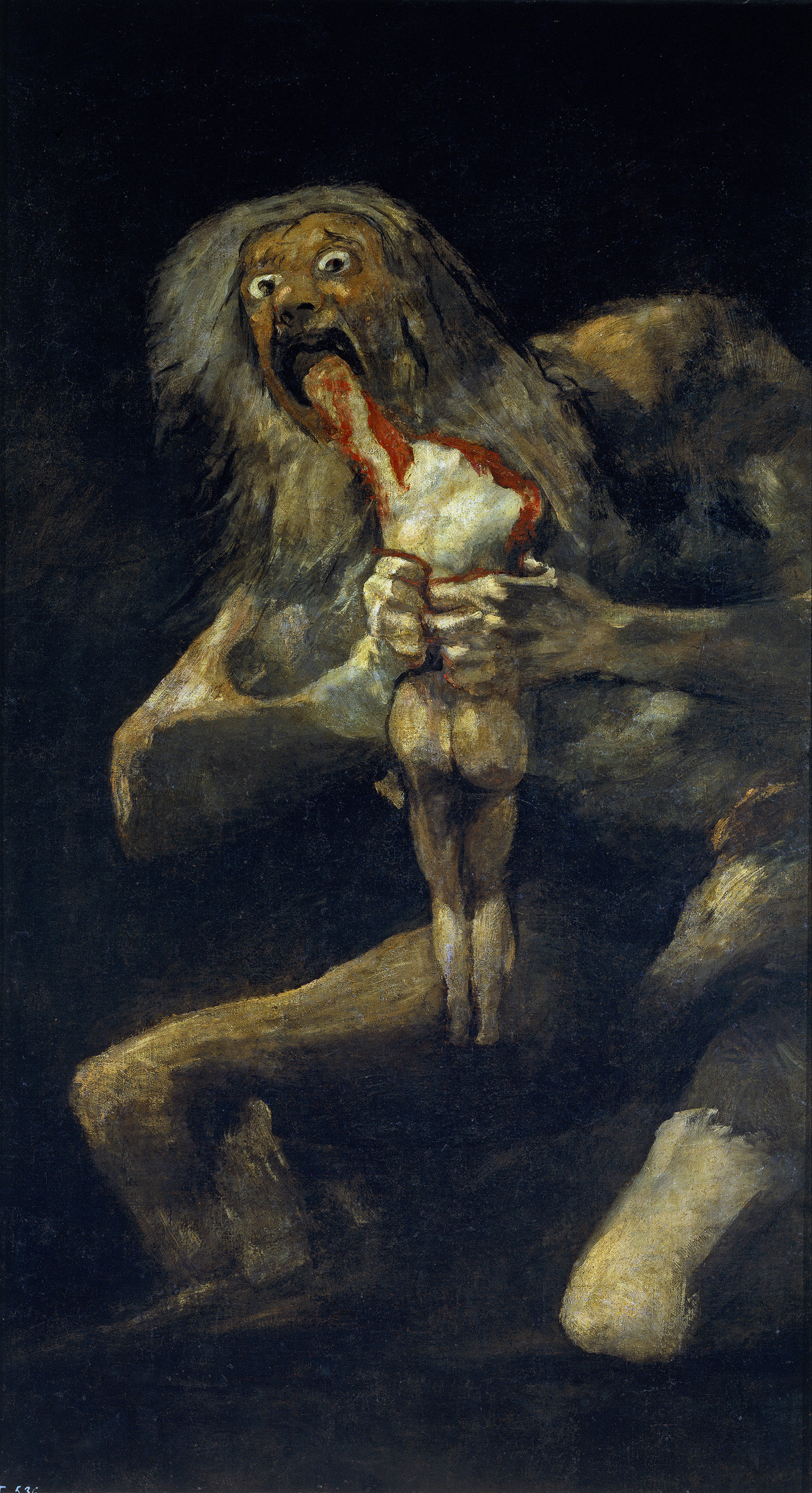 Facing the darkness: The moral challenge of Goya’s “Saturn devouring his son” (1823)
Spanish painter Francisco de Goya’s depiction of Saturn eating his son is a haunting portrait of lust and the fear of one’s own finitude. Christos Tsiolkas joins Waleed and Scott t…
 When is a referendum an unethical way of resolving a political question?
Now that the PM has announced the date of the referendum, it’s worth remembering that the zero-sum nature of referenda can unleash the kind of bruising rhetoric that does lasting d…
 Should climate change make us rethink the ethics of nuclear energy?
Opposition leader Peter Dutton has recently reintroduced the prospect of nuclear power as part of Australia’s commitment to decarbonisation. But what is behind the push for nuclear…