Podcast
Asili Africa
Episodes
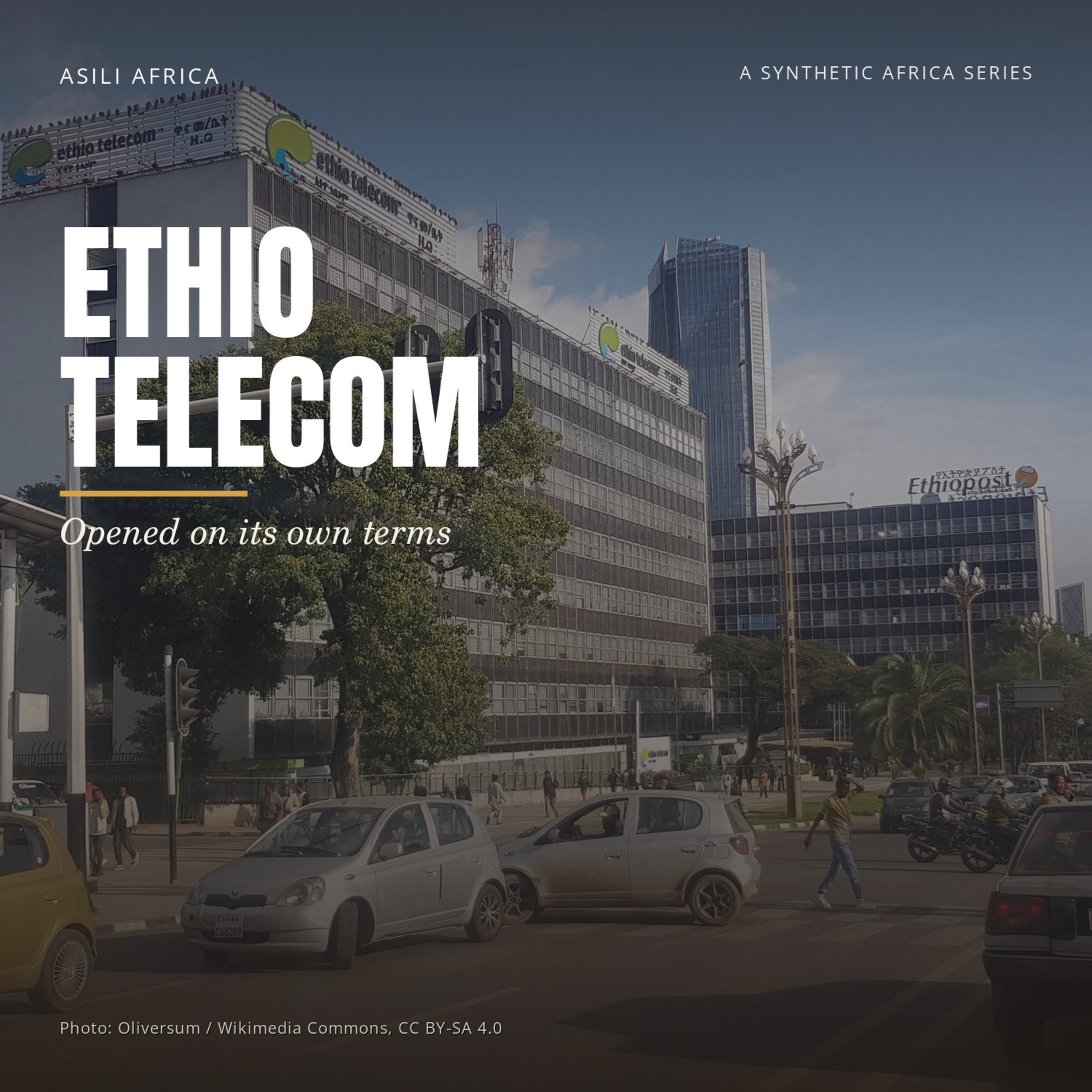 Ethio Telecom (Ethiopia): Opened on its own terms
Ethiopia's telephone network began with an 1894 line from Harar to Addis Ababa, and its only constant since has been the owner. The state opened it on its own terms, one dose at a…
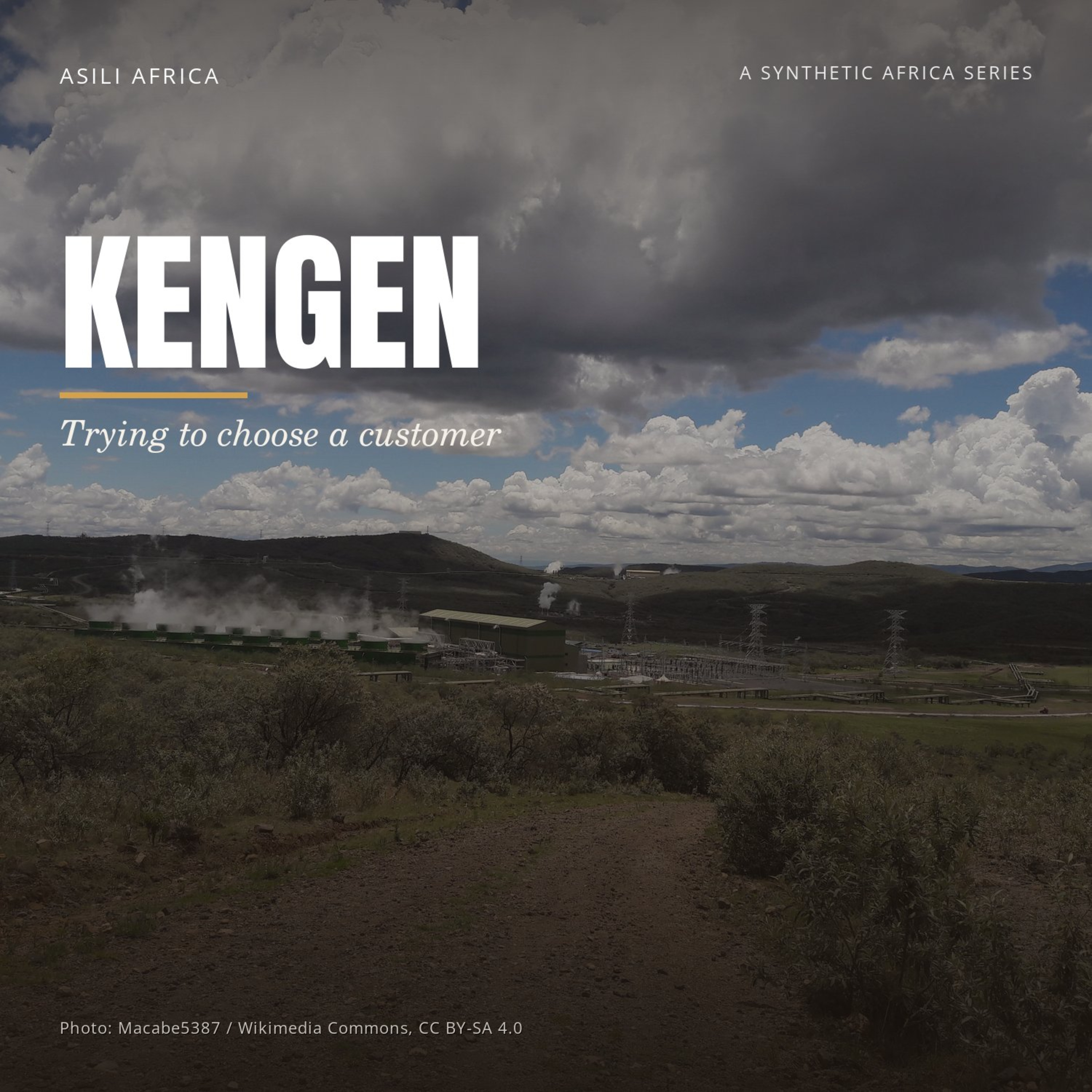 KenGen (Kenya): Trying to choose a customer
KenGen sells every unit of its electricity to one buyer, Kenya Power, and by its own reporting supplied 59 per cent of what Kenya Power bought in the year to June 2025, on average…
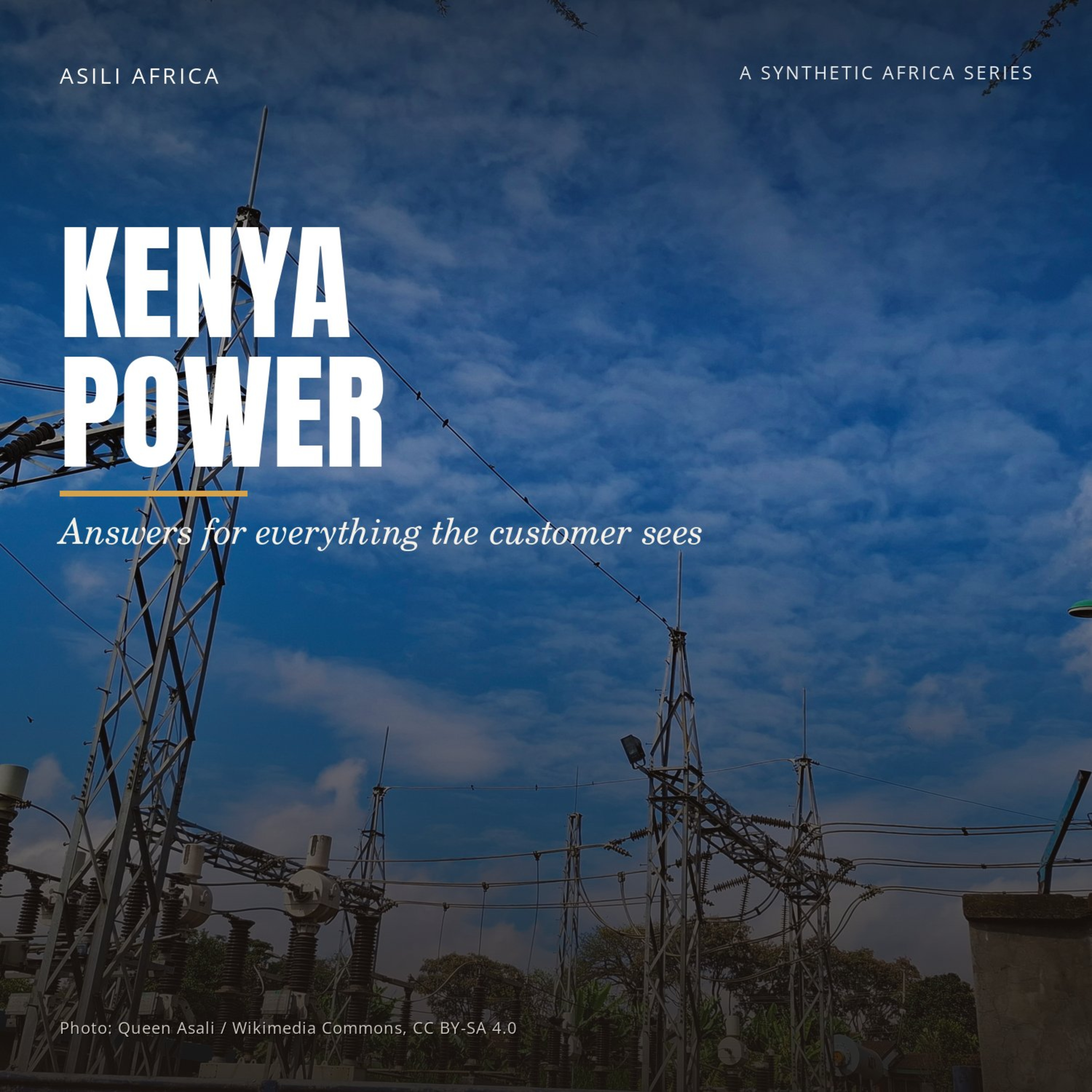 Kenya Power (Kenya): Answers for everything the customer sees
Kenya Power began as a 1922 merger of two small electricity franchises, and it is the part of Kenya's electricity system every customer touches: the wire, the meter and the bill. G…
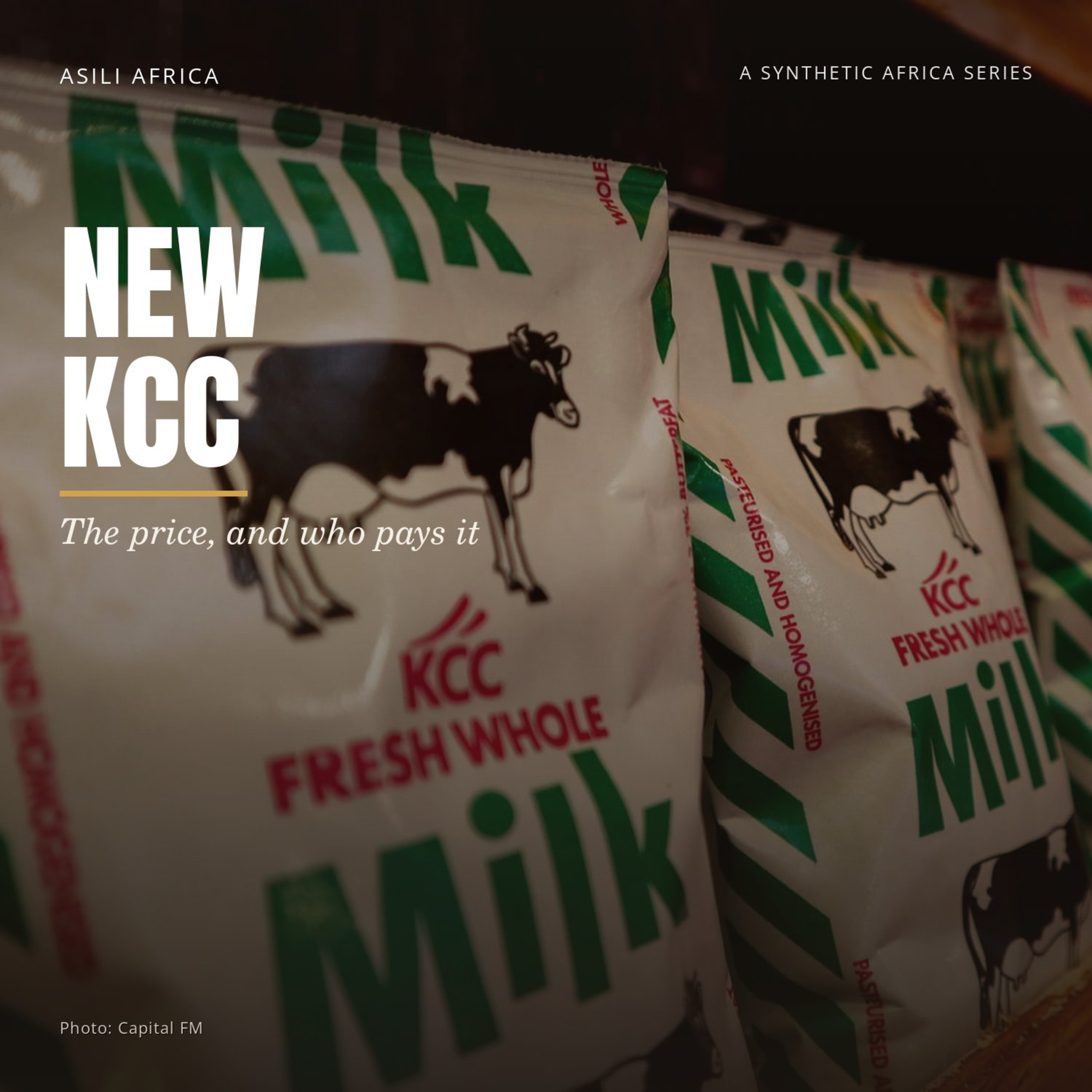 New KCC (Kenya): The price, and who pays it
In 1924, Rift Valley dairy farmers met because none of them could get a steady price alone. The creamery that followed, Kenya Co-operative Creameries, became in effect the only buy…
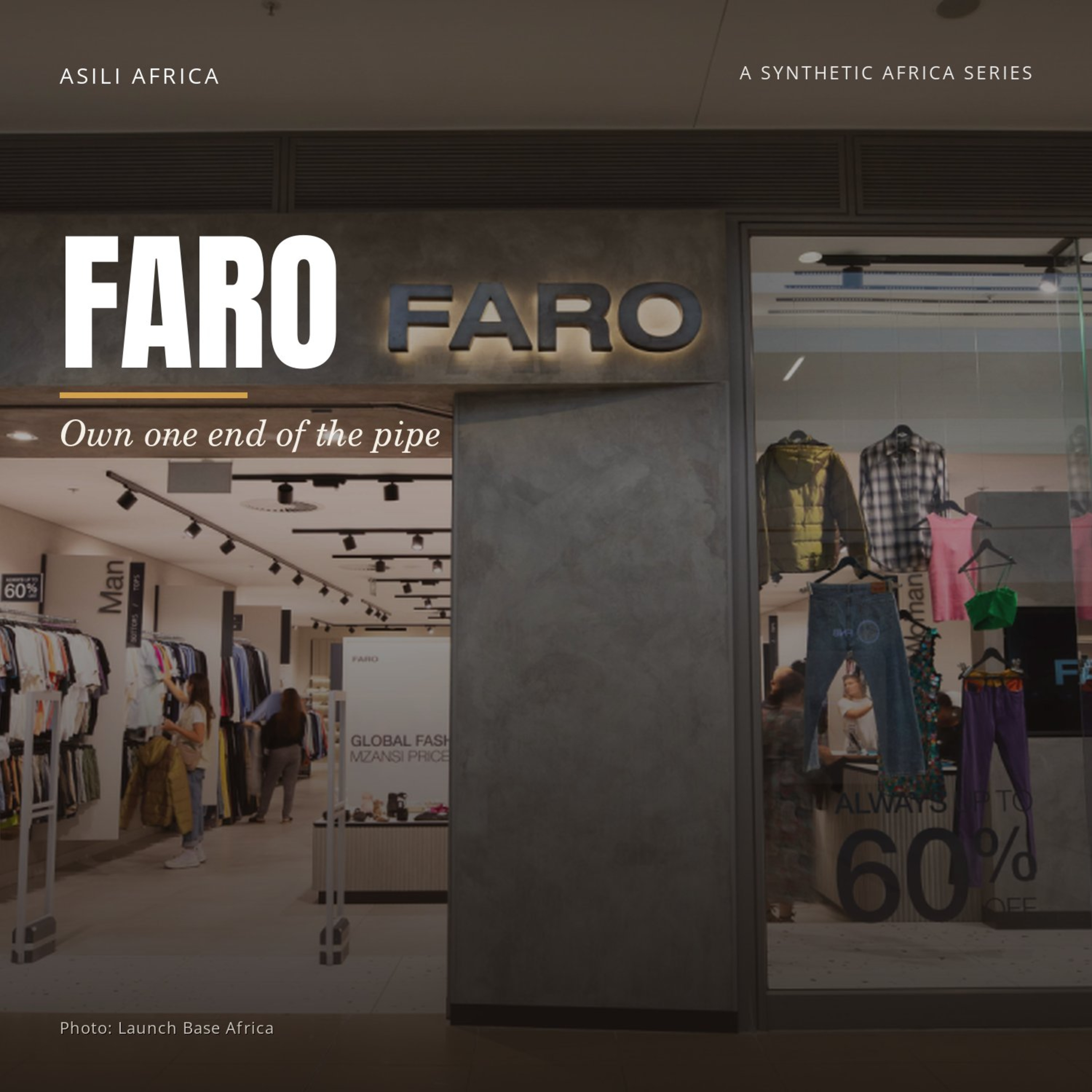 FARO (South Africa): Own one end of the pipe
FARO is a Cape Town retailer that sells global brands' surplus and returned clothes at about sixty percent off, after cleaning and repairing them in its own warehouse. Its co-found…
 Healthy U (Kenya): Teaching customers to meet the state
Healthy U began by teaching people to eat in Westlands, transforming strangers into a community through testing and measurement. Its founder, Sailesh Rach, led this quiet mission a…
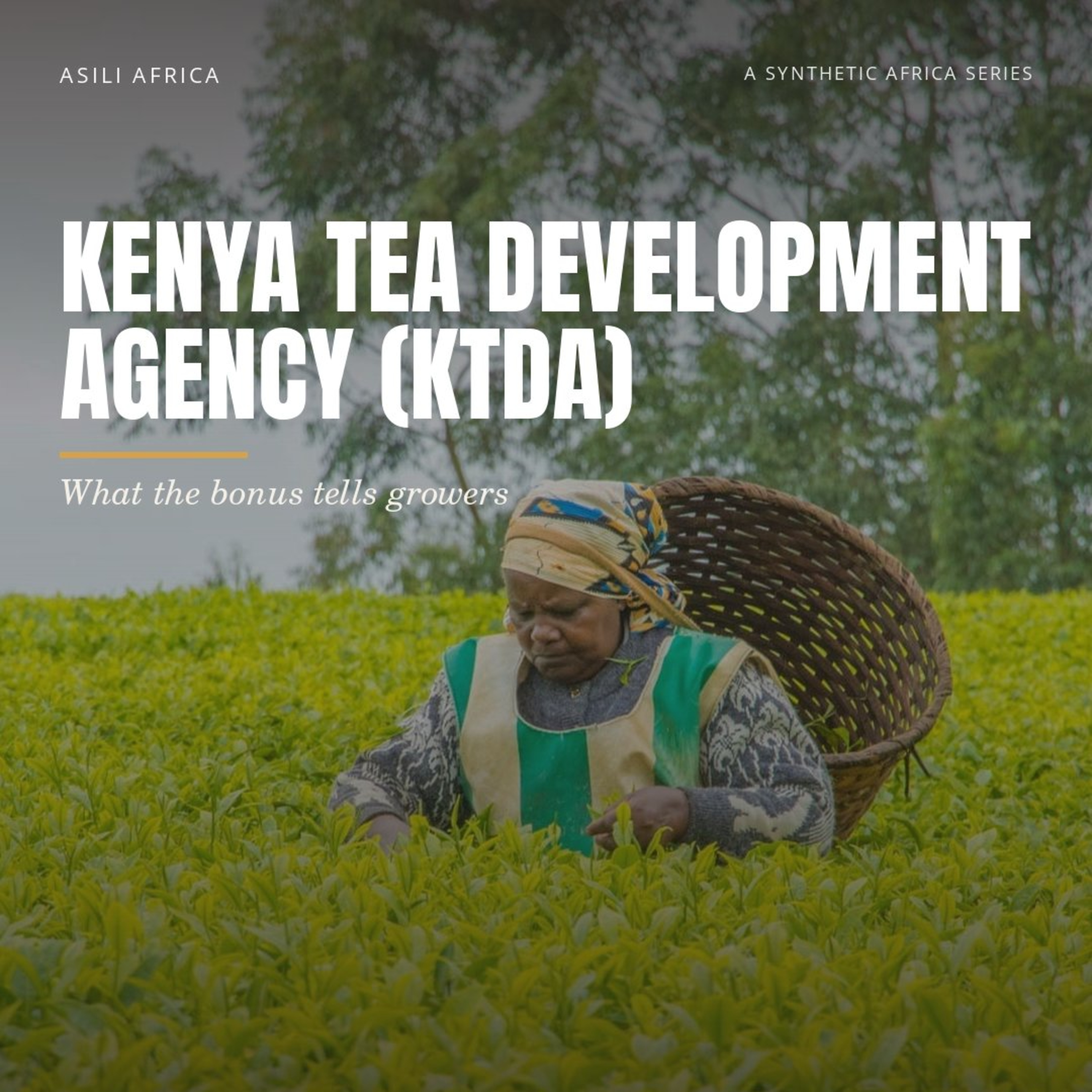 Kenya Tea Development Agency (KTDA) (Kenya): What the bonus tells growers
African farmers in Kenya were legally barred from growing tea until 1956. Today about six hundred thousand smallholders deliver leaf to factory companies they own, and fifty four o…
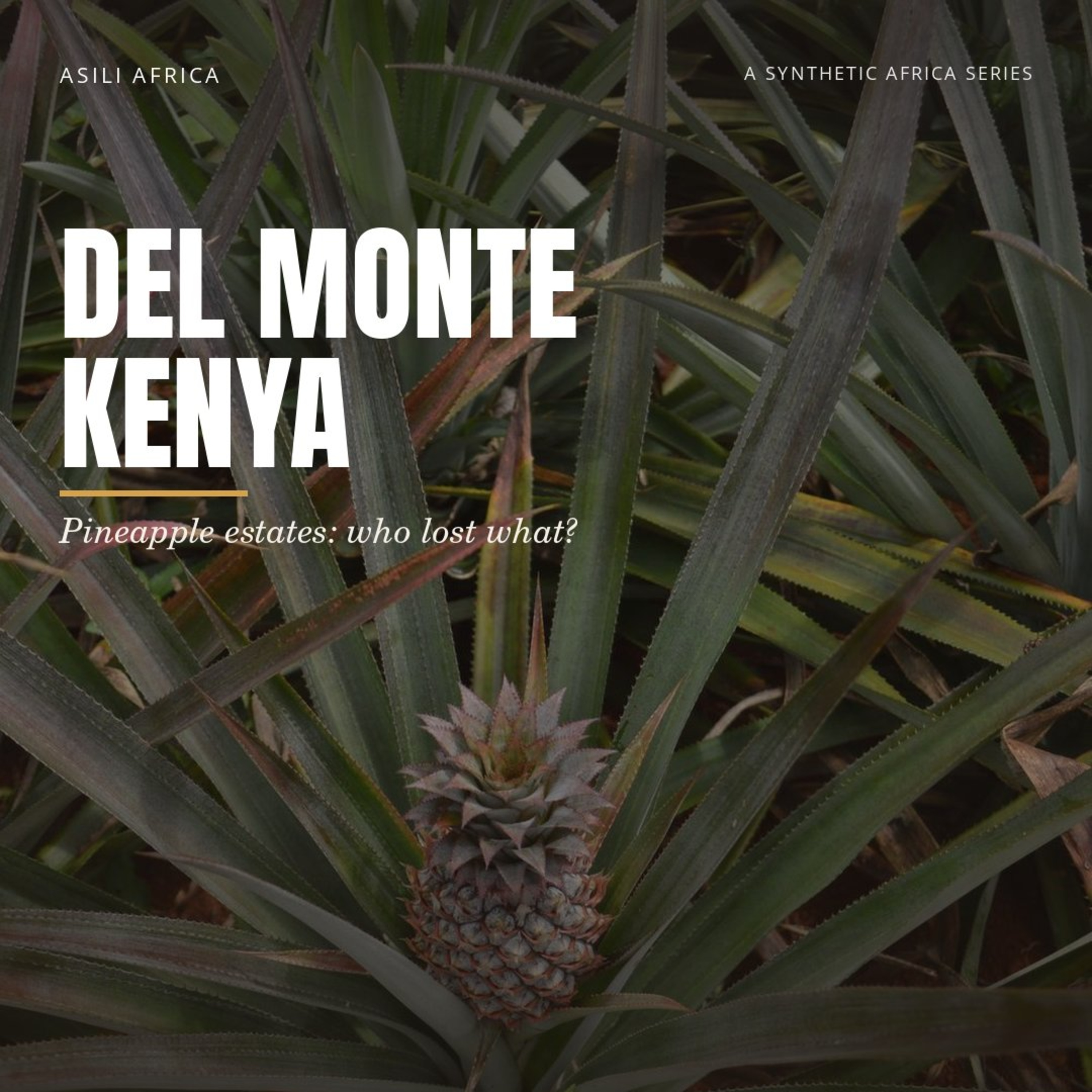 Del Monte Kenya (Kenya): Pineapple estates: who lost what?
In 1965 Kenya's government designed a pineapple business with two halves: a foreign company's estate and factory, and smallholders around them selling in. Within a few years the sm…
 Shoprite (South Africa): It knew what things were worth
In 1979 a clothing retailer bought an eight-store Cape Town chain for about a million rand. Shoprite then took over Checkers, and bought OK Bazaars for one rand while the seller gu…
 Chandarana Foodplus (Kenya): Nobody else's money, its own limits
Shantilal Thakkar opened a counter-service shop in Parklands, Nairobi. In 1989 his three sons took over, and by one account their father questioned the rent when Anil pushed for a…
 Tuskys (Kenya): They dismantled themselves from inside
Tuskys installed every mechanism a professional company is supposed to have, and undid each one from inside. It hired an outside chief executive; the founder's grandchildren threw…
 Precision Air (Tanzania): Who keeps Precision Air flying?
Precision Air flew from Arusha chasing safari trade dreams since nineteen seventy nine, relying on Kenya Airways until it nearly collapsed twice. The state stepped back in only to…
 Kenya Airways (Kenya): No owners ever chose Kenya Airways
Kenya Airways began in 1977 as a government decree, created because East African Airways had collapsed and nothing else existed. It was privatized in 1996 and became the first Afri…
 Ushahidi (Kenya): Seeing is an intervention nobody used
In January 2008, after Kenya's disputed election, four technologists built a map in three days. More than 1,200 people were killed in the violence that followed, and Ushahidi count…
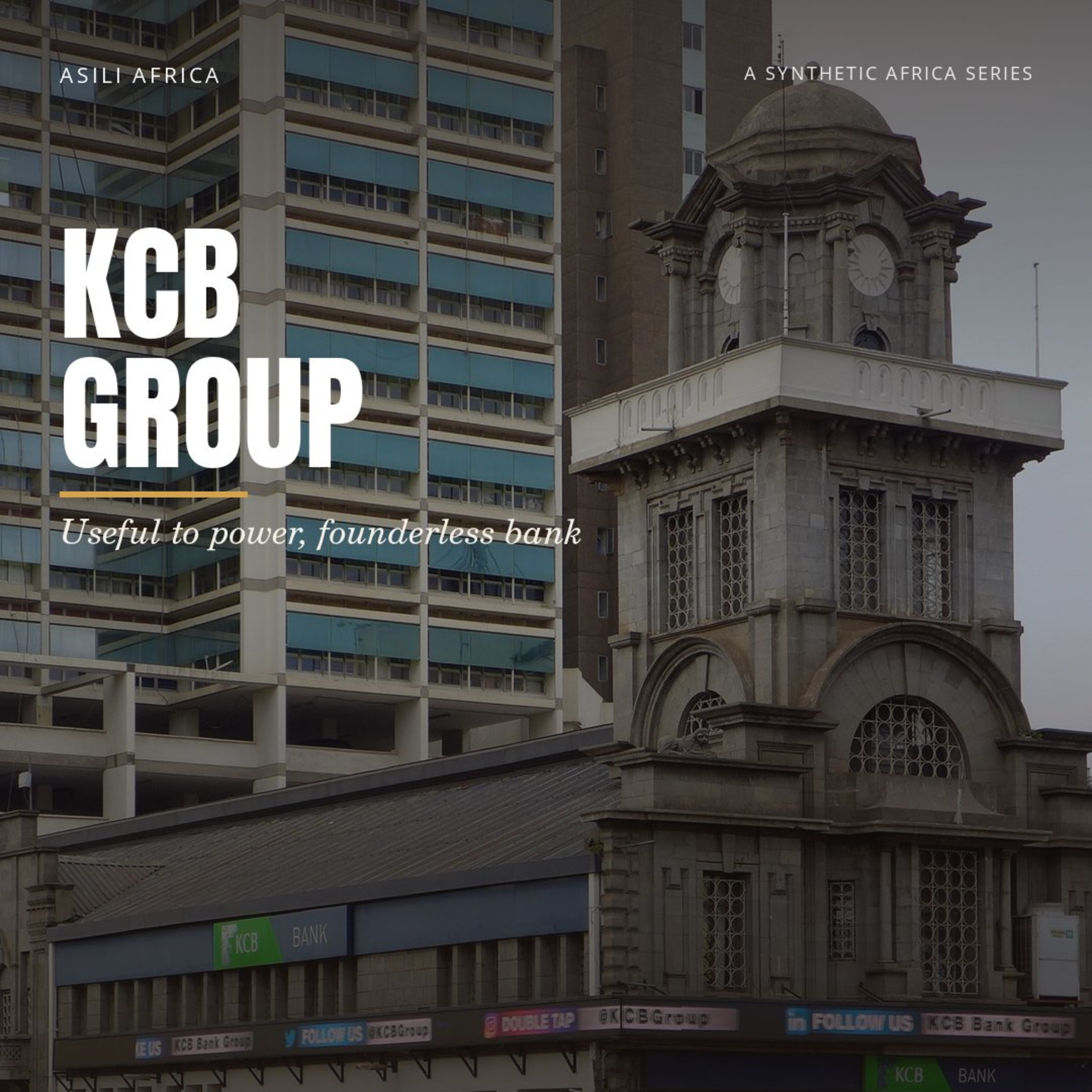 KCB Group (Kenya): Useful to power, founderless bank
For a hundred and thirty years without a founder, Kenya's power shifted through KCB Group, an institution built by Indian-registered London bankers before Kenya existed. From its 1…
 Brookside Dairy (Kenya): Paperwork bought; milk elsewhere
Brookside Dairy began as a small operation in Ruiru, selling five thousand litres daily before swelling to one million. Its history defies typical narratives of crisis or failed fo…
 Mumias Sugar (Kenya): The bargain that bought Kenya sugar
Mumias began as a bargain: a guaranteed buyer for cane legally locked to one mill by zoning. It ran through state underwriting, farmer out-growers, and imported sugar packed in the…
 Bamburi Cement (Kenya): Ground that was left behind
Bamburi Cement's value lay in a coral reef beneath foreign ownership where founders remained distant. A 2024 control shift turned a guarded holding into a future foundation after v…
 VALR (South Africa): Waiting is not for retail
VALR emerged when four founders left a bank for refusing to ship crypto. For five years, they built an entire regulatory framework from scratch, guided by a Baha'i vision of global…
 Timon (Nigeria): Stablecoins in wallets, not dollar cards
Timon exists for the traveler whose dollar card fails abroad, funded by stablecoins like USDT and USDC rather than traditional bank rails. Co-founded in Mannheim after leaving Crow…
