Influence Profile
No genre data available
Genre information will appear here once available
Trending in M.S. Subbulakshmi’s World
Latest Single
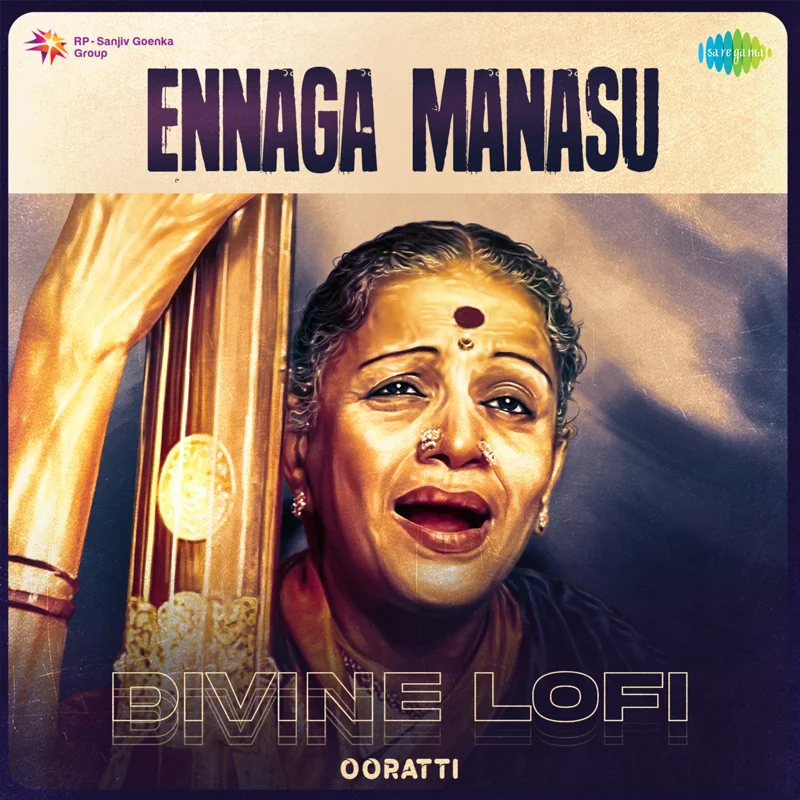
Ennaga Manasu
Released Nov 14, 2023
Trending Globally
No trending songs available.
Album
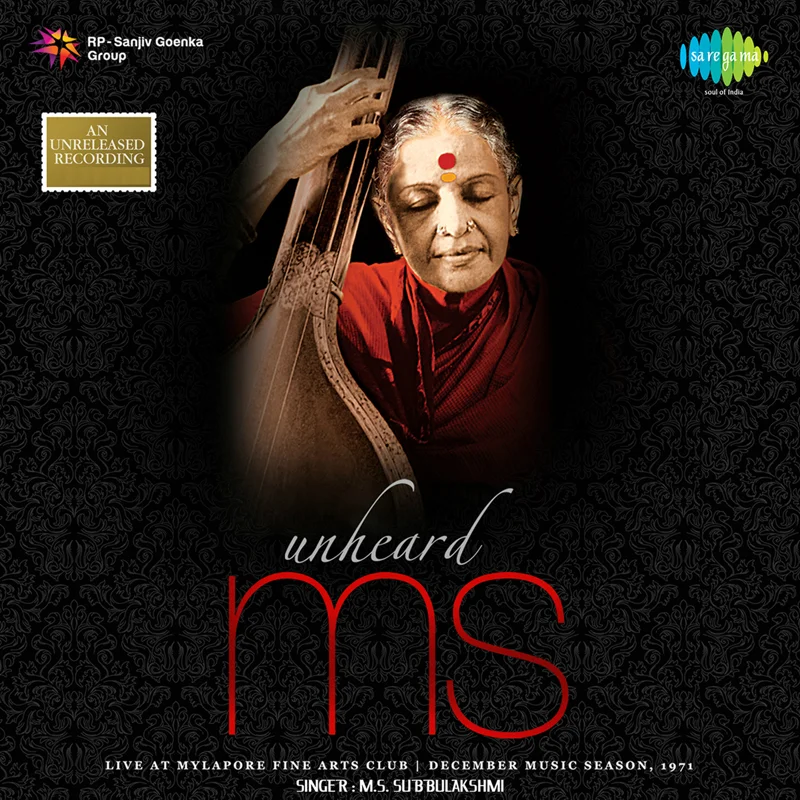
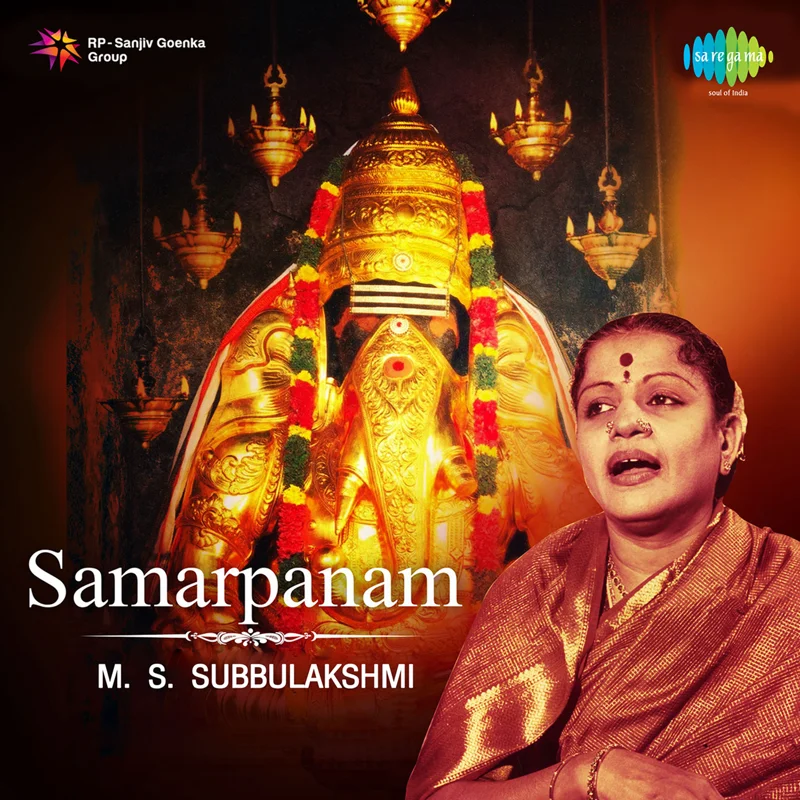
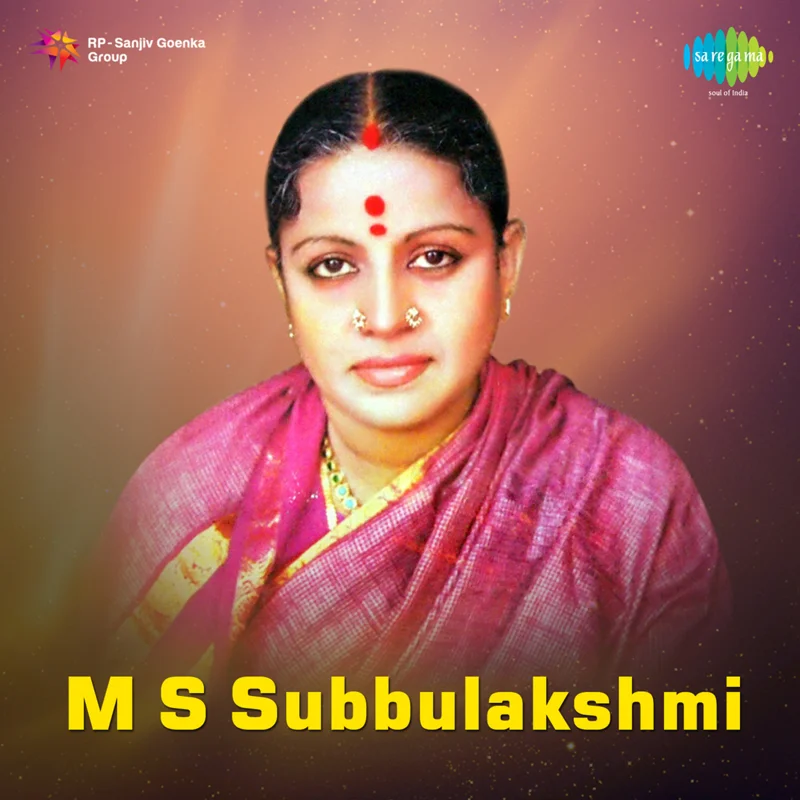
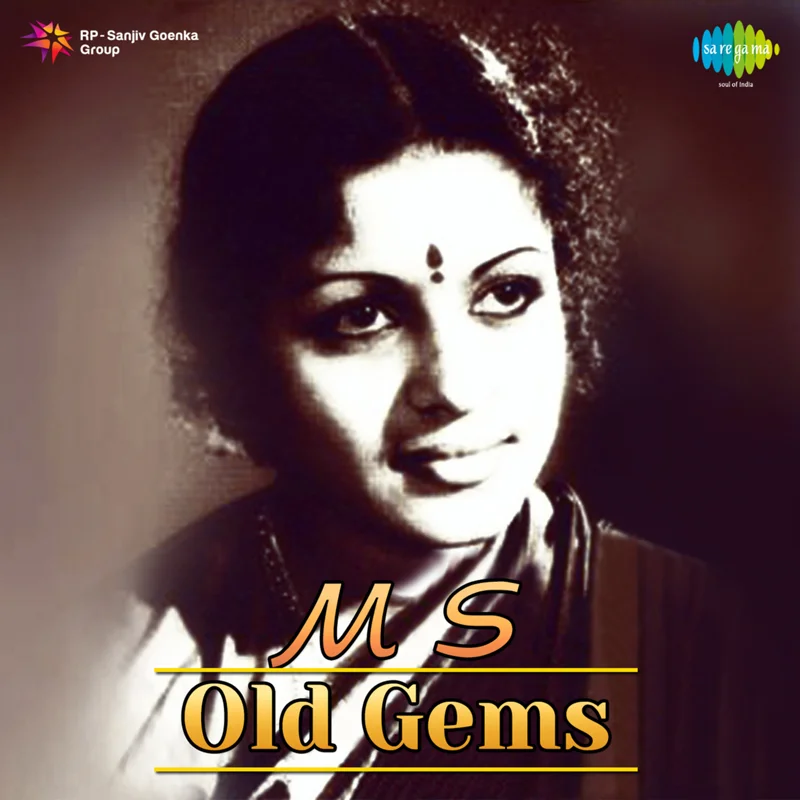
Single
Story
Quick Facts
From
India
India
Journey
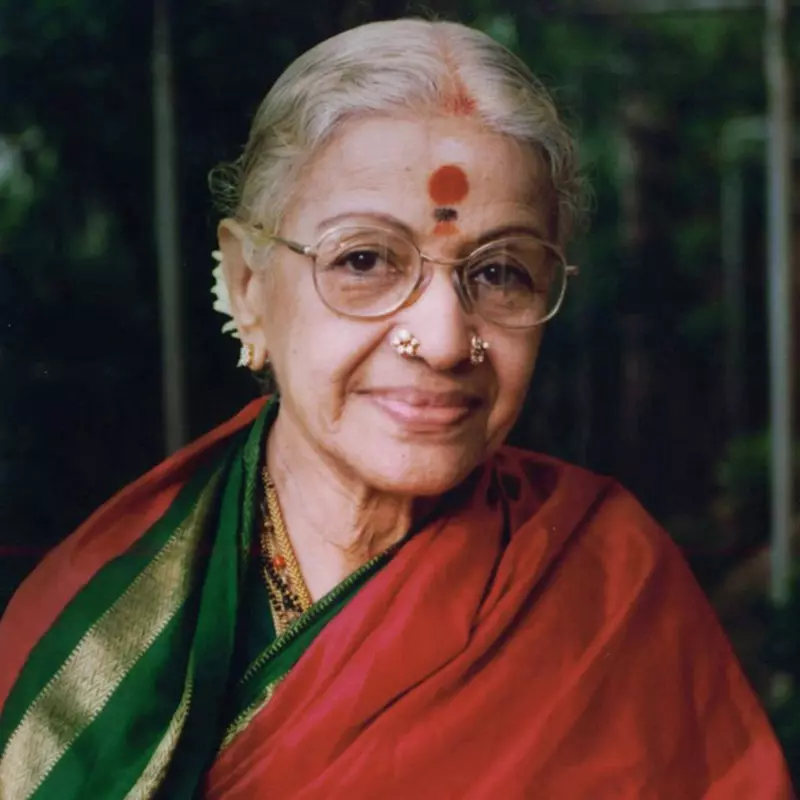
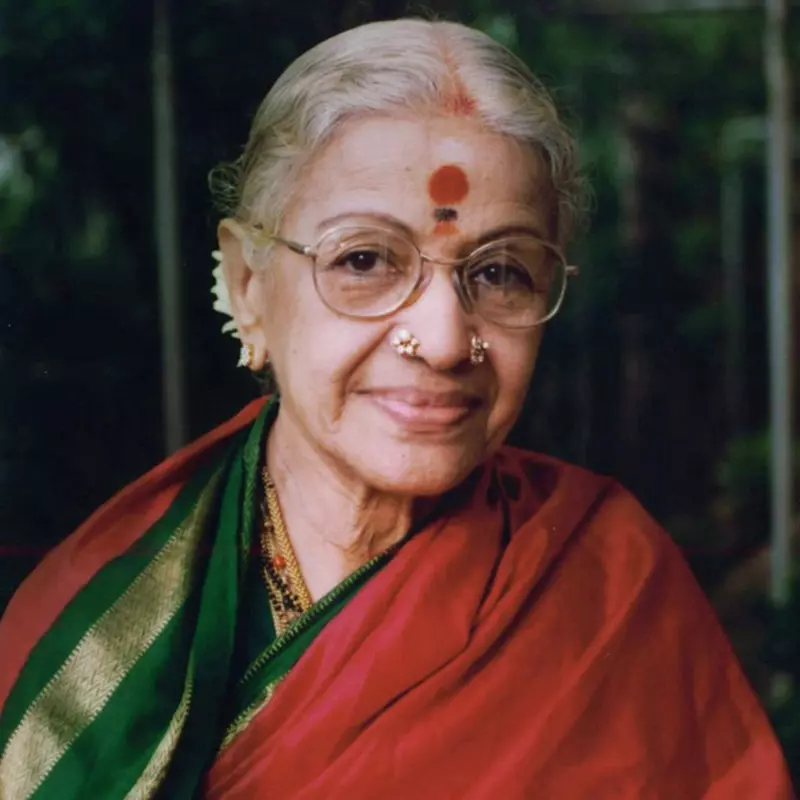
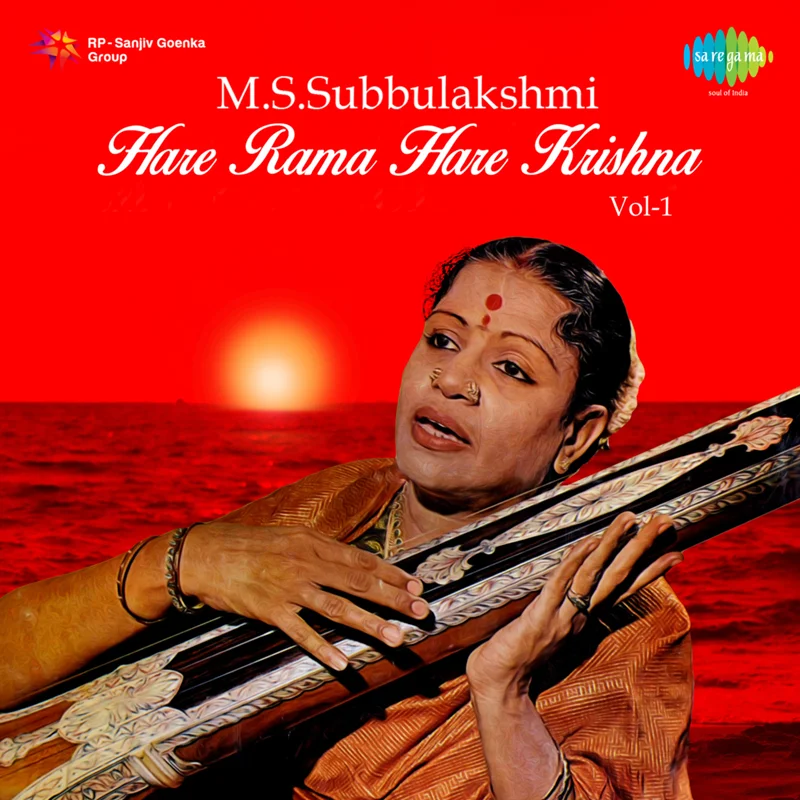
Madurai Shanmukhavadivu Subbulakshmi, widely known as M. S. Subbulakshmi, was one of the most influential Carnatic vocalists of the twentieth century. Born in Madurai in 1916, she showed exceptional musical ability from childhood and gave her earliest public performance at around eight years old. She made her mark at the Madras Music Academy in 1932, beginning a career that would take her from India's leading concert halls to international stages.
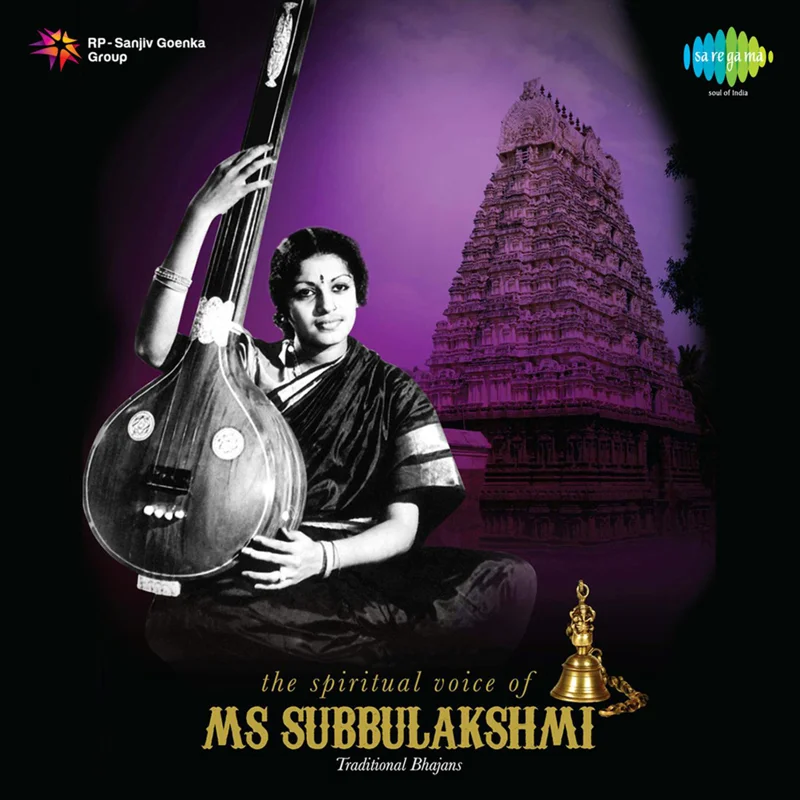
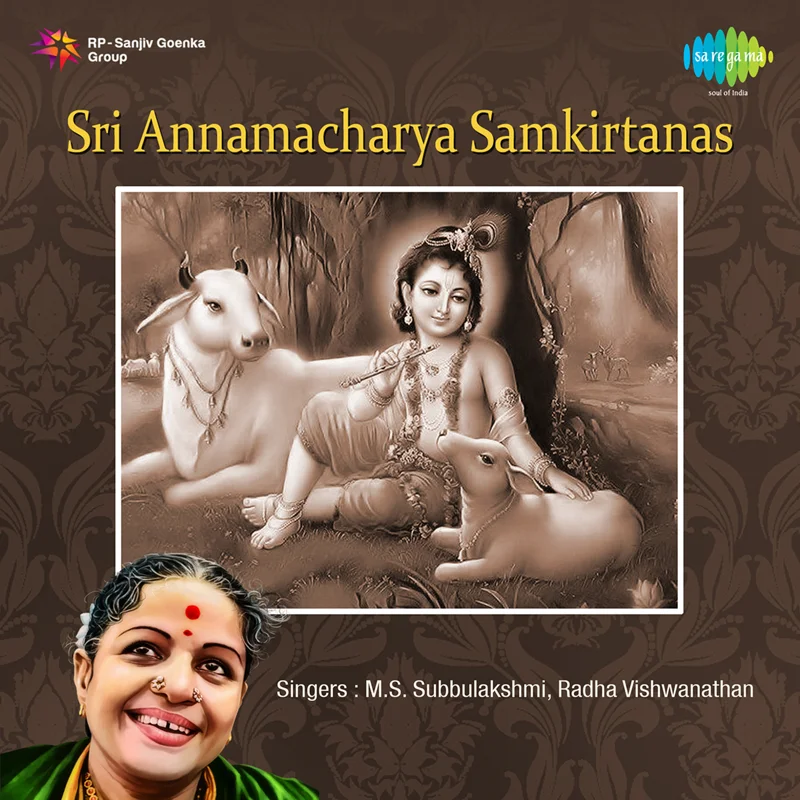
Subbulakshmi became celebrated for her command of Carnatic music and devotional repertoire, performing extensively in Tamil, Telugu, Kannada, Sanskrit, and Hindi. Her interpretations of works including “Bhaja Govindam,” “Vishnu Sahasranamam,” and “Sri Venkateswara Suprabhatam” became especially enduring. Her rendition of “Sri Venkateswara Suprabhatam” continues to be played at Tirumala as part of the temple's daily ritual, while her performances also helped popularize compositions by the Telugu saint-poet Annamacharya.
Her influence extended beyond concert music. She appeared in several films, most notably Sevasadanam and Meera, with the latter becoming her best-known screen role. The Hindi version of Meera helped introduce her artistry to audiences across India. She also became associated with India's independence-era cultural history: at Mahatma Gandhi's request, she recorded the devotional song “Hari Tum Haro” in 1947.
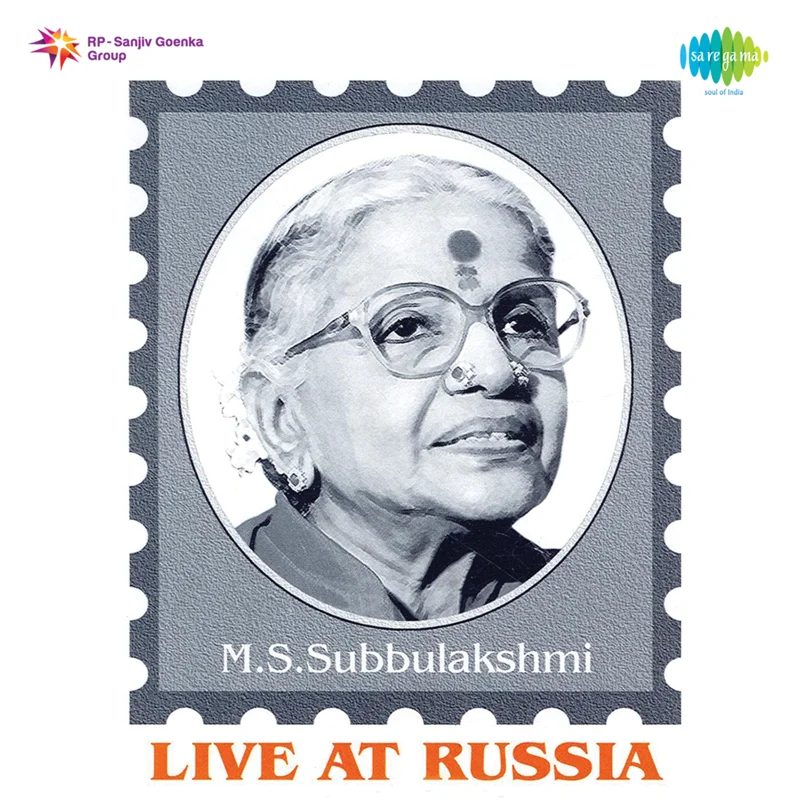
Subbulakshmi became an important international ambassador for Indian classical music. In 1966, Subbulakshmi made history by becoming the first Indian musician to perform before the United Nations General Assembly. She also performed at the Edinburgh International Festival and for Queen Elizabeth II at London's Royal Albert Hall.
Her achievements brought numerous major honors, including the Padma Bhushan in 1954, Sangeet Natak Akademi Award in 1956, Sangita Kalanidhi in 1968, Ramon Magsaysay Award in 1974, Padma Vibhushan in 1975, Kalidas Samman in 1988, and Indira Gandhi Award for National Integration in 1990. She was the first Indian musician to receive the Ramon Magsaysay Award and, in 1998, became the first musician to receive the Bharat Ratna, India's highest civilian honor.
Her contribution also extended to public service. Subbulakshmi gave more than 200 charity concerts and donated royalties from devotional recordings to charitable and religious causes, using her artistic success to support wider social and cultural initia
+tives.
M. S. Subbulakshmi died in Chennai on December 11, 2004. Her recordings, international performances, devotional repertoire, and commitment to charitable causes have secured her a lasting place in Indian musical history. She remains an enduring symbol of Carnatic music and one of the artists who helped carry India's classical musical traditions to audiences around the world.