Trending in Bonga’s World
Trending Globally
No trending songs available.
Album
Story
Quick Facts
Born
1942
1942
From
Angola
Angola
Journey
Bonga, born José Adelino Barceló de Carvalho on September 5, 1942, in Kipiri, Bengo province, is one of Angola’s most influential cultural figures. Raised near Luanda during Portuguese colonial rule, he developed an early love for music but first gained recognition as an elite athlete. After relocating to Lisbon in the 1960s, he became a national 400-meter champion and record holder, and also played football for S.L. Benfica. Behind his sporting success, however, he was actively involved in Angola’s liberation movement, secretly transporting information for independence activists. When colonial authorities uncovered his activities in 1972, he escaped into exile in Rotterdam, later living in Paris and Belgium.
Exile marked the true beginning of his musical legacy.
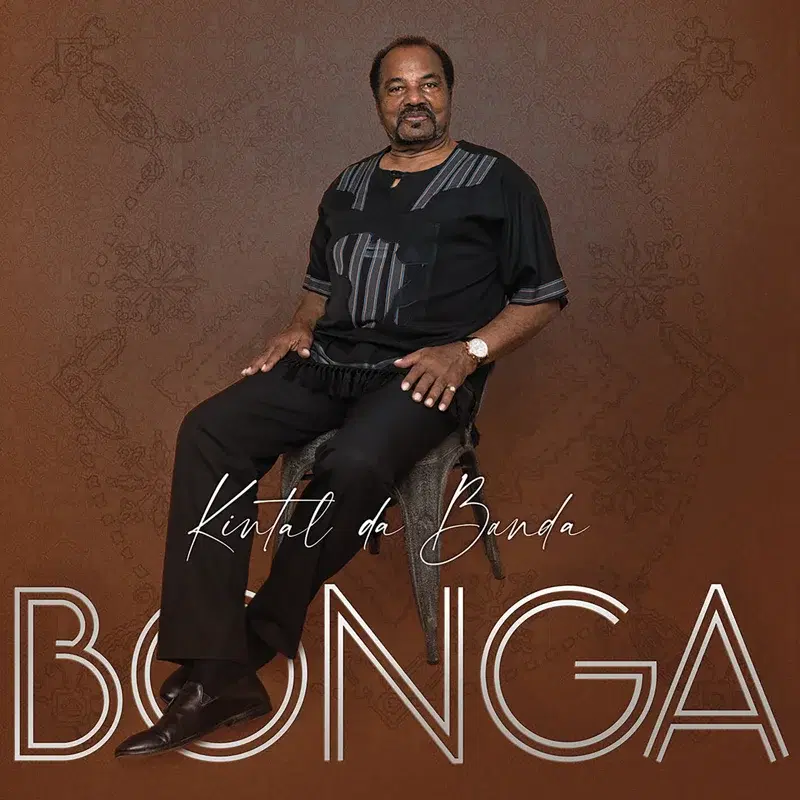
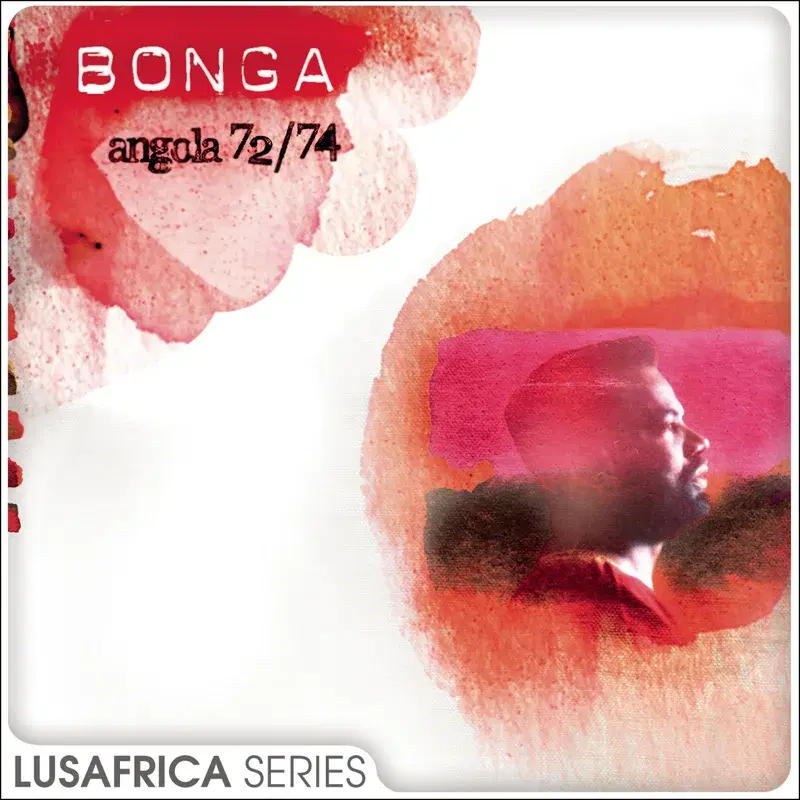
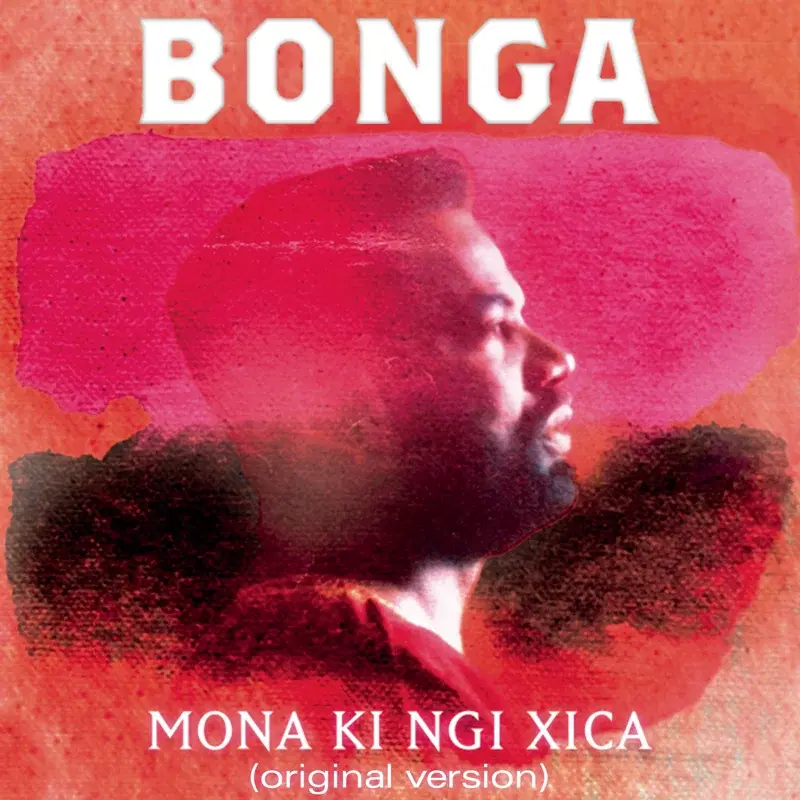
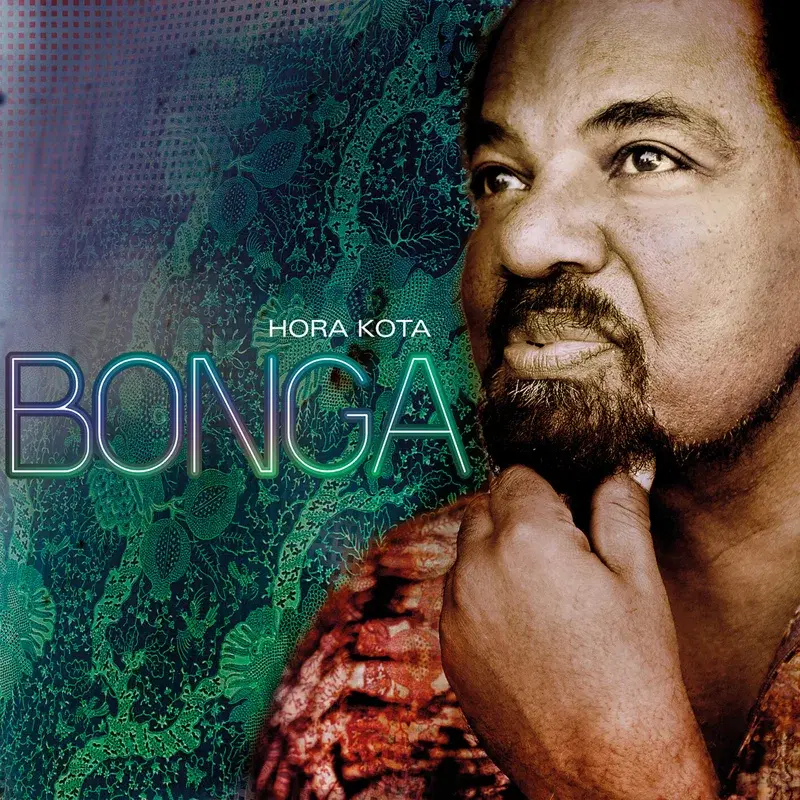
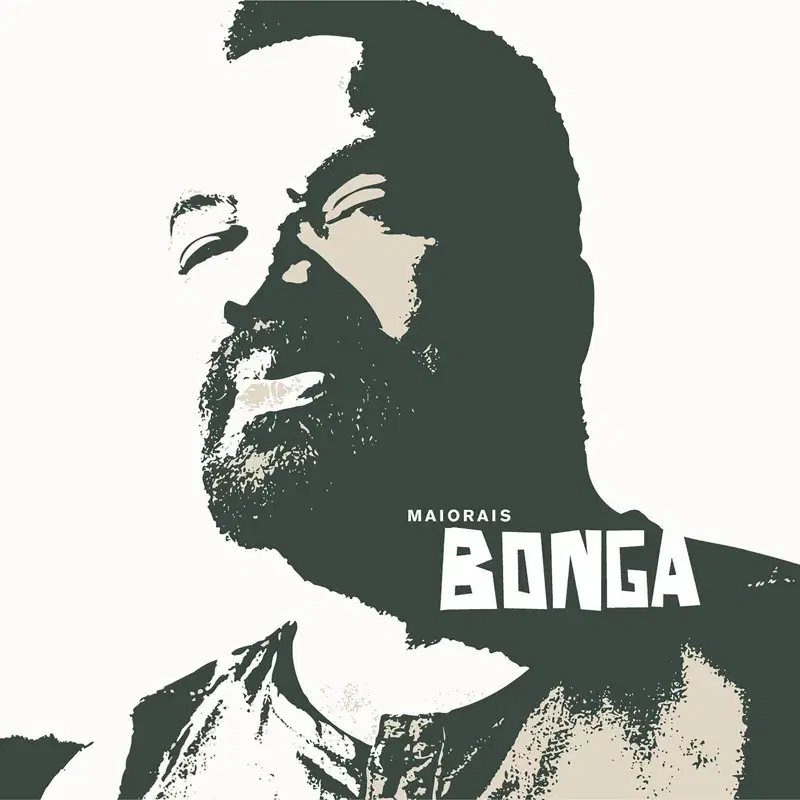
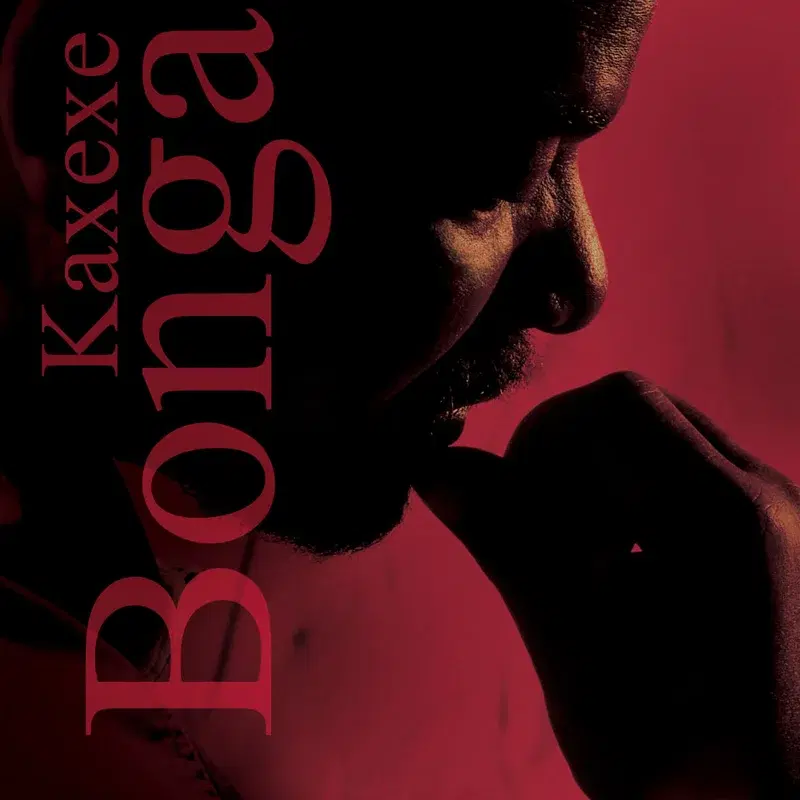
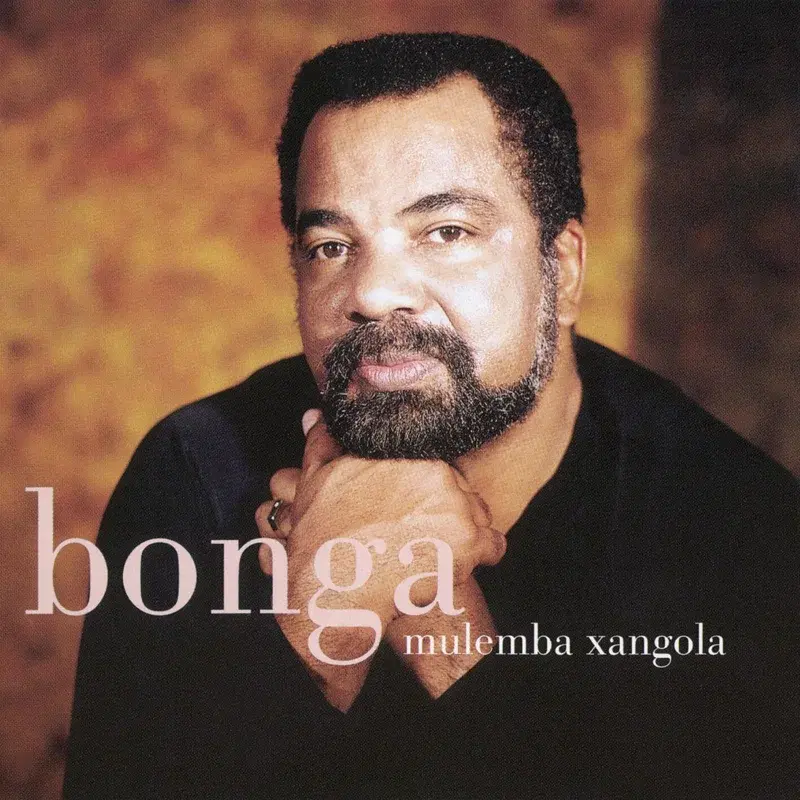
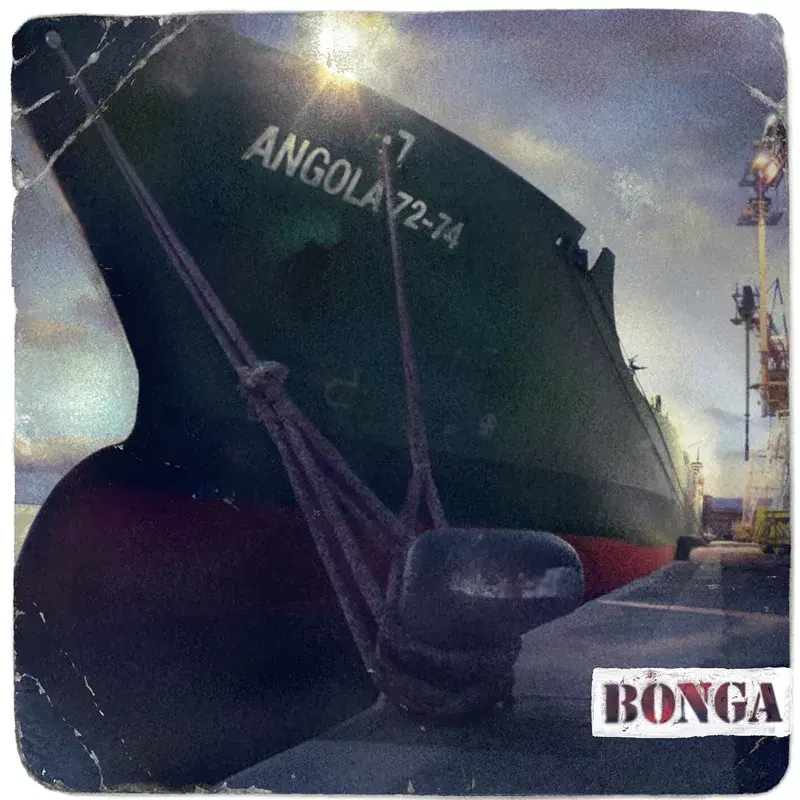
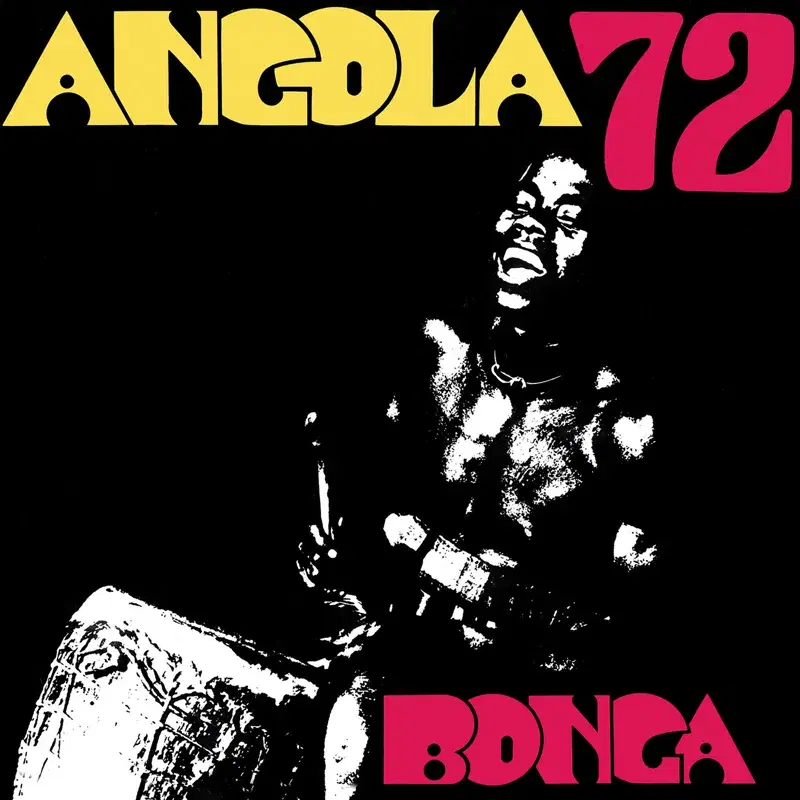
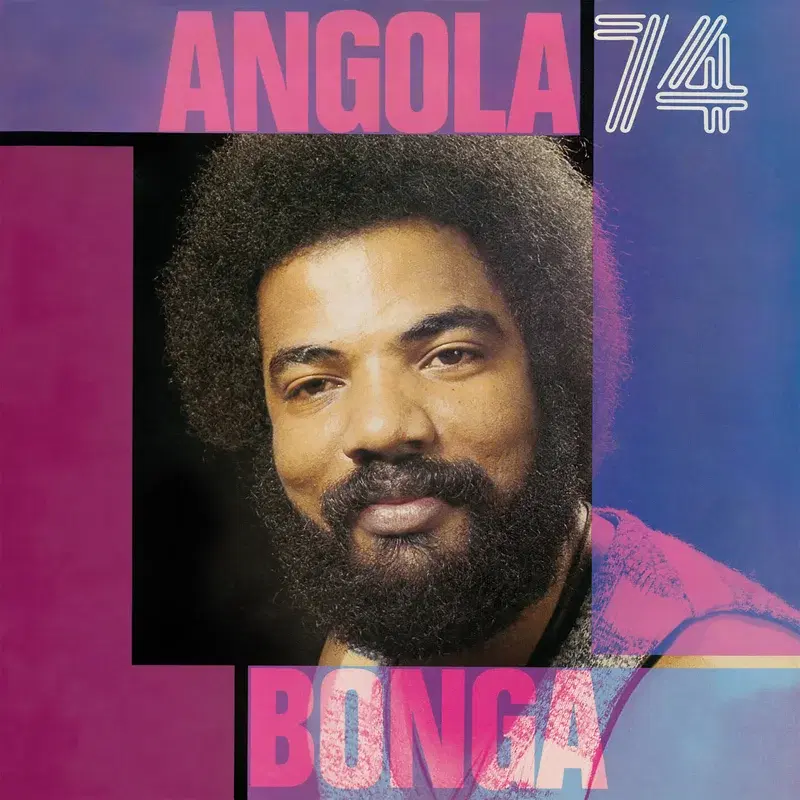
Recording the landmark album Angola 72, which included the powerful song “Mona Ki Ngi Xica,” he created a sound rooted in semba while incorporating wider Lusophone influences. The album was prohibited in Angola at the time, yet it became an anthem of resistance among supporters of independence. Over the decades, Bonga built a catalog of more than thirty albums, including Angola 74, Raízes, Mulemba Xangola, Kualuka Kuetu, Reflexão, Hora Kota, Marika, and Kintal da Banda. His songwriting consistently reflects themes of displacement, national pride, justice, and social accountability.
Throughout his long career, he has received significant recognition both at home and abroad. France honored him as a Knight of the Order of Arts and Letters, while Angola presented him with the National Culture and Arts Award and the Medal of Bravery and Civic and Social Merit. He also became the first African artist to earn gold and platinum sales distinctions in Portugal. Celebrations of his artistic impact have included international cultural awards and special tributes marking fifty years of musical contribution. From champion athlete to voice of a nation, Bonga remains a defining figure in Angolan music history.