Podcast
The Minefield
Episodes — page 6
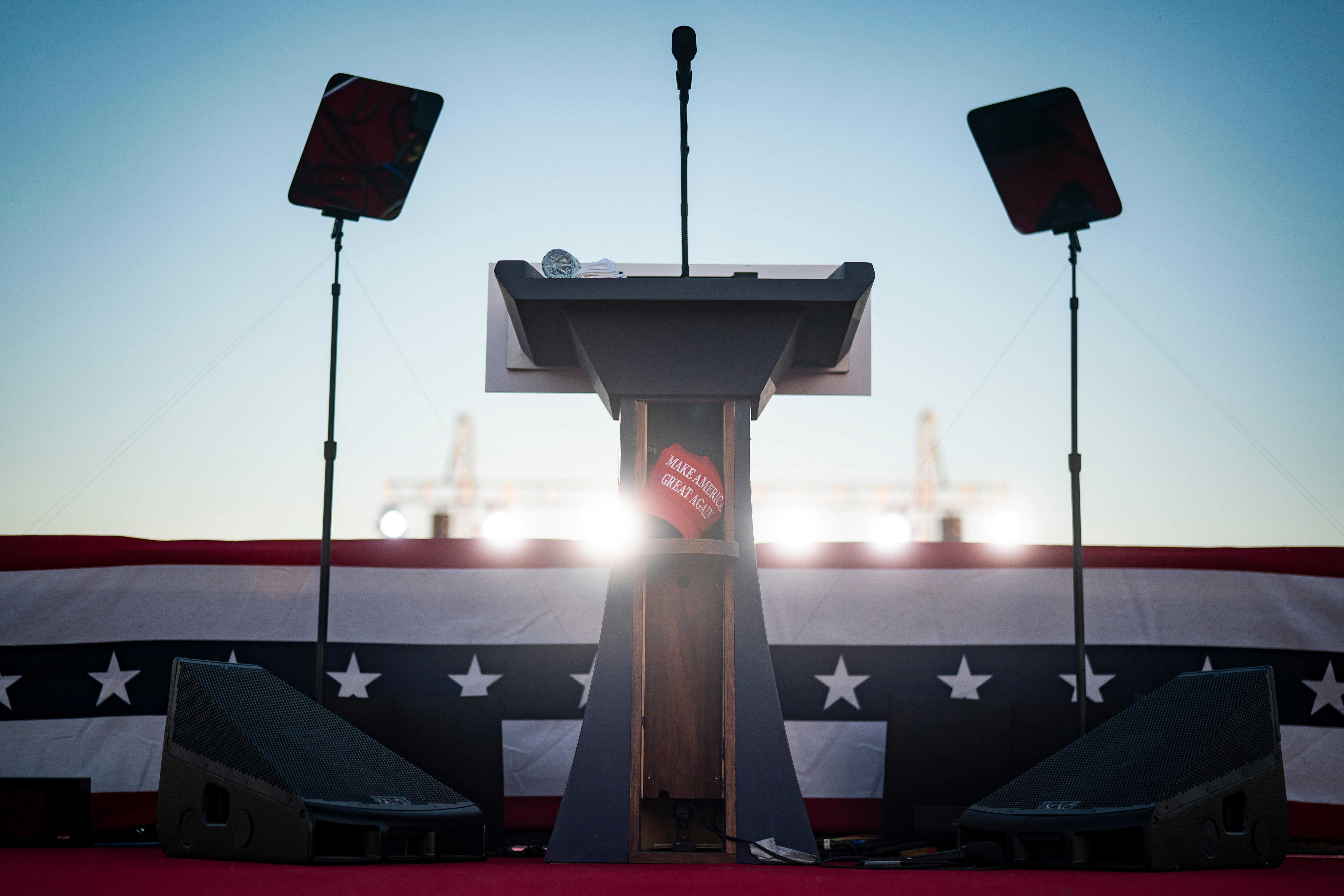 What is “populism” – and what kind of problem does it pose?
After the election of Donald Trump in 2016 and the outcome of the Brexit referendum, “populism” became the catch-all diagnosis for everything the ails democratic politics. But its…
 What is it that makes “negative gearing” such a divisive tax policy?
The policy of negative gearing — which gives the owners of investment properties an unlimited ability to deduct losses from their overall taxable income — has come to symbolise the…
 “Truths that lie too deep for taint”: Wilfred Owen’s war poetry in our blood-soaked present
The war poetry of Wilfred Owen refuses the comfort of hollow consolation in response to the mass loss of life — it also urges the sacrifice of the kind of bellicose pride that sees…
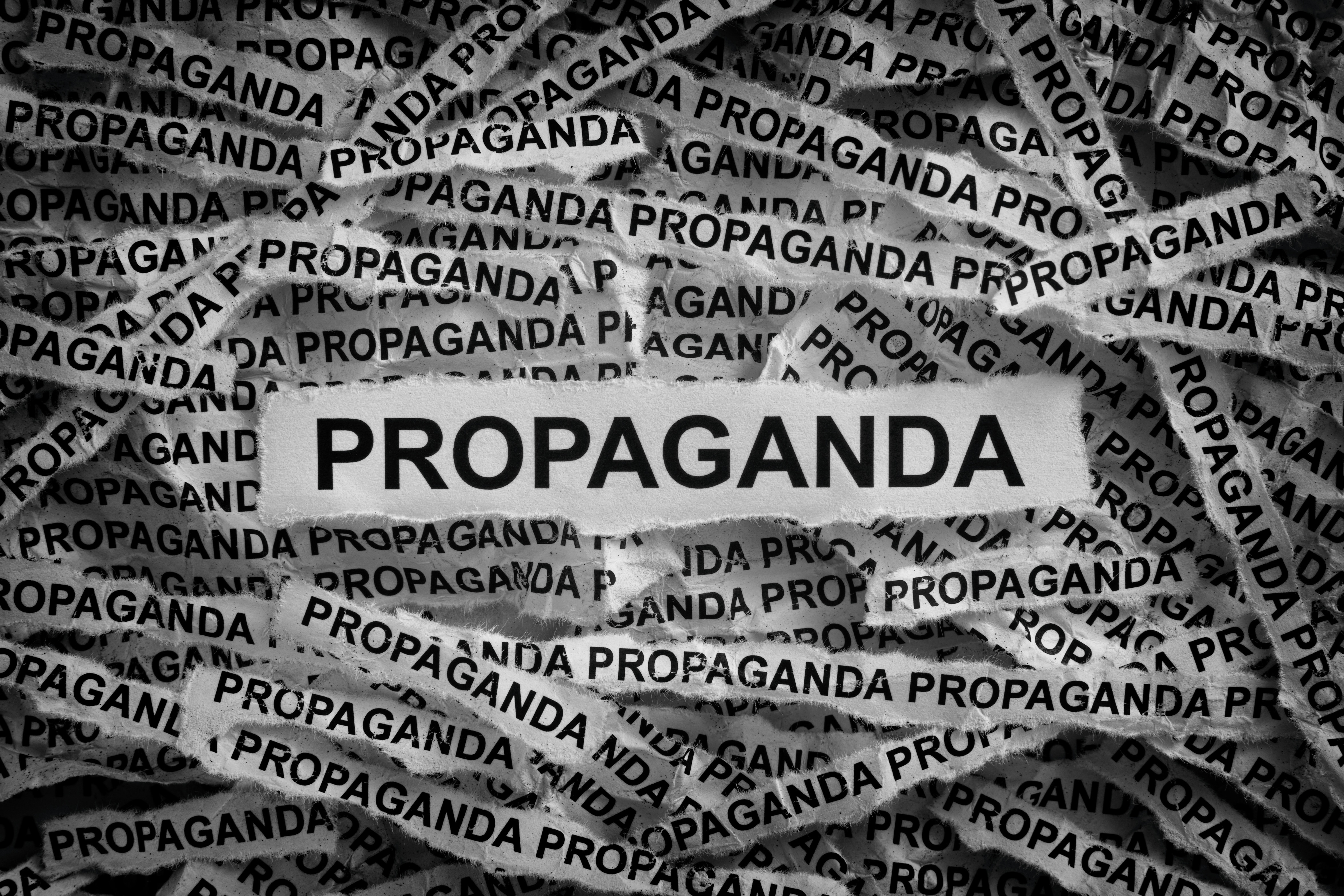 Can modern politics avoid propaganda?
With the US presidential election on the horizon, to say nothing of a number of Australian elections, our airwaves, news sites and social media feeds are filled with political rhet…
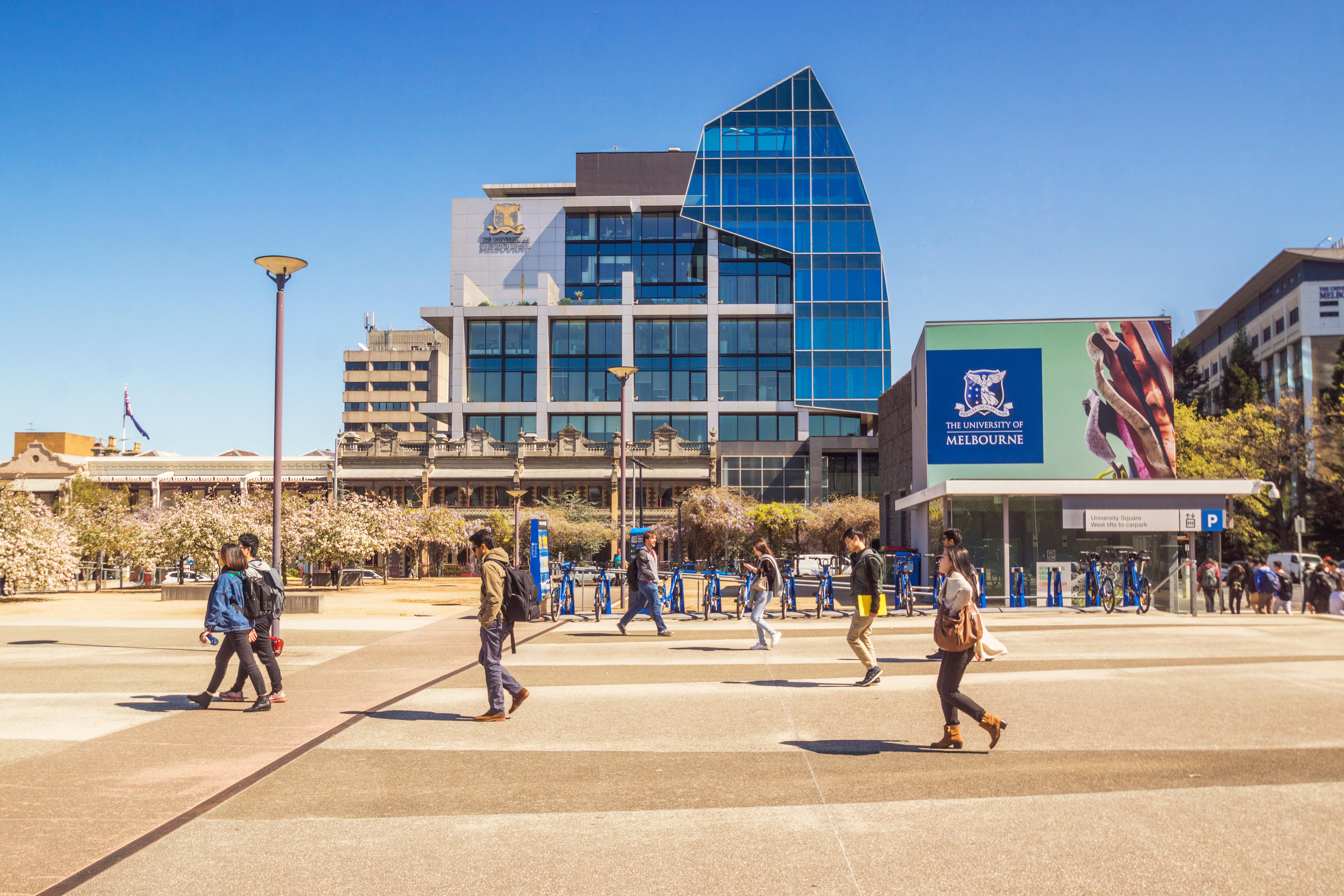 Will Australia’s proposed cap on international students do more harm than good?
Given the dependence of many Australian universities on international student fees, a significant drop in enrolments with no corresponding increase in government funding will likel…
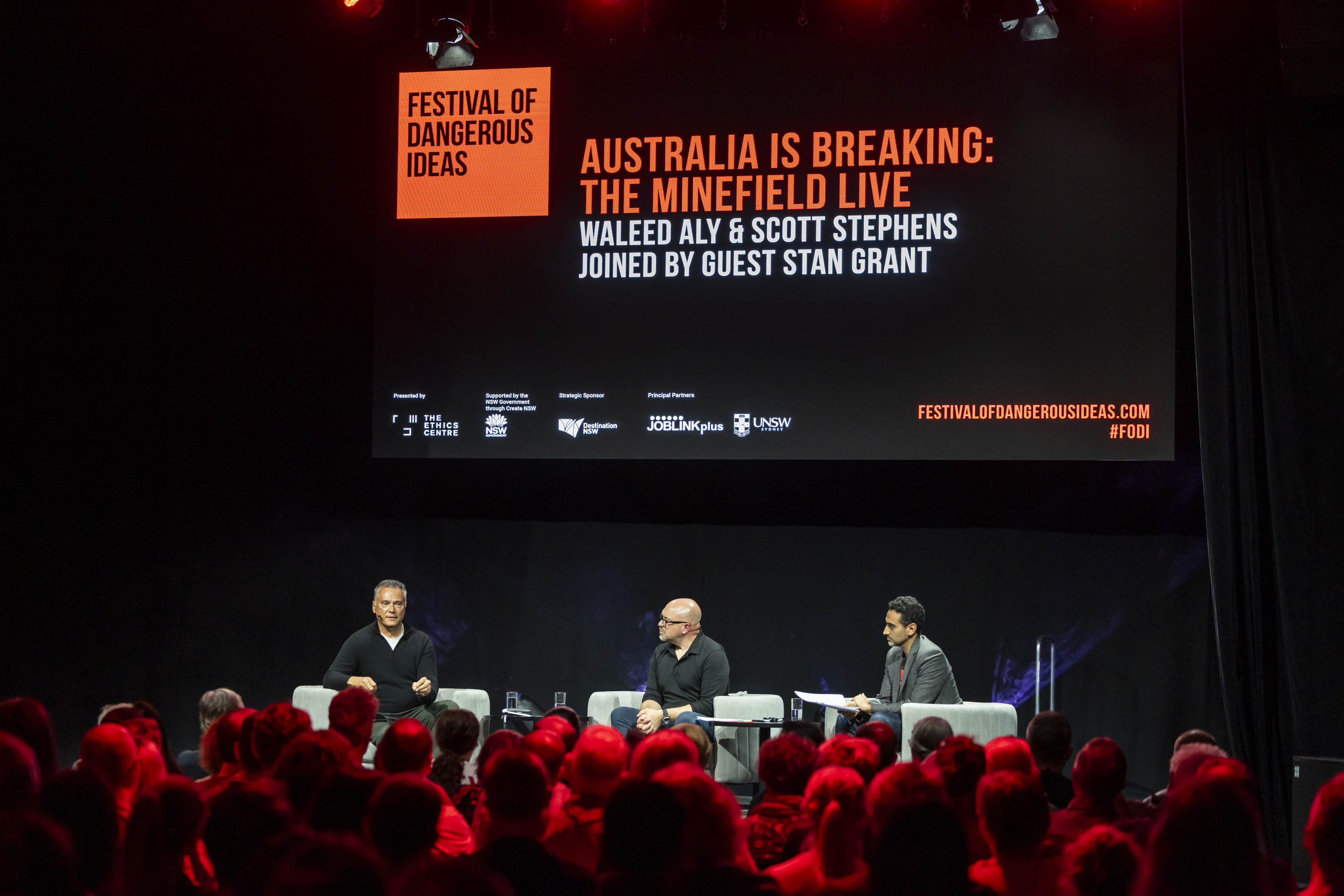 Festival of Dangerous Ideas: Is Australia breaking?
One of Australia’s greatest strengths has been the remarkable diversity of its multicultural society. But is this also a potential source of weakness? In this live recording at the…
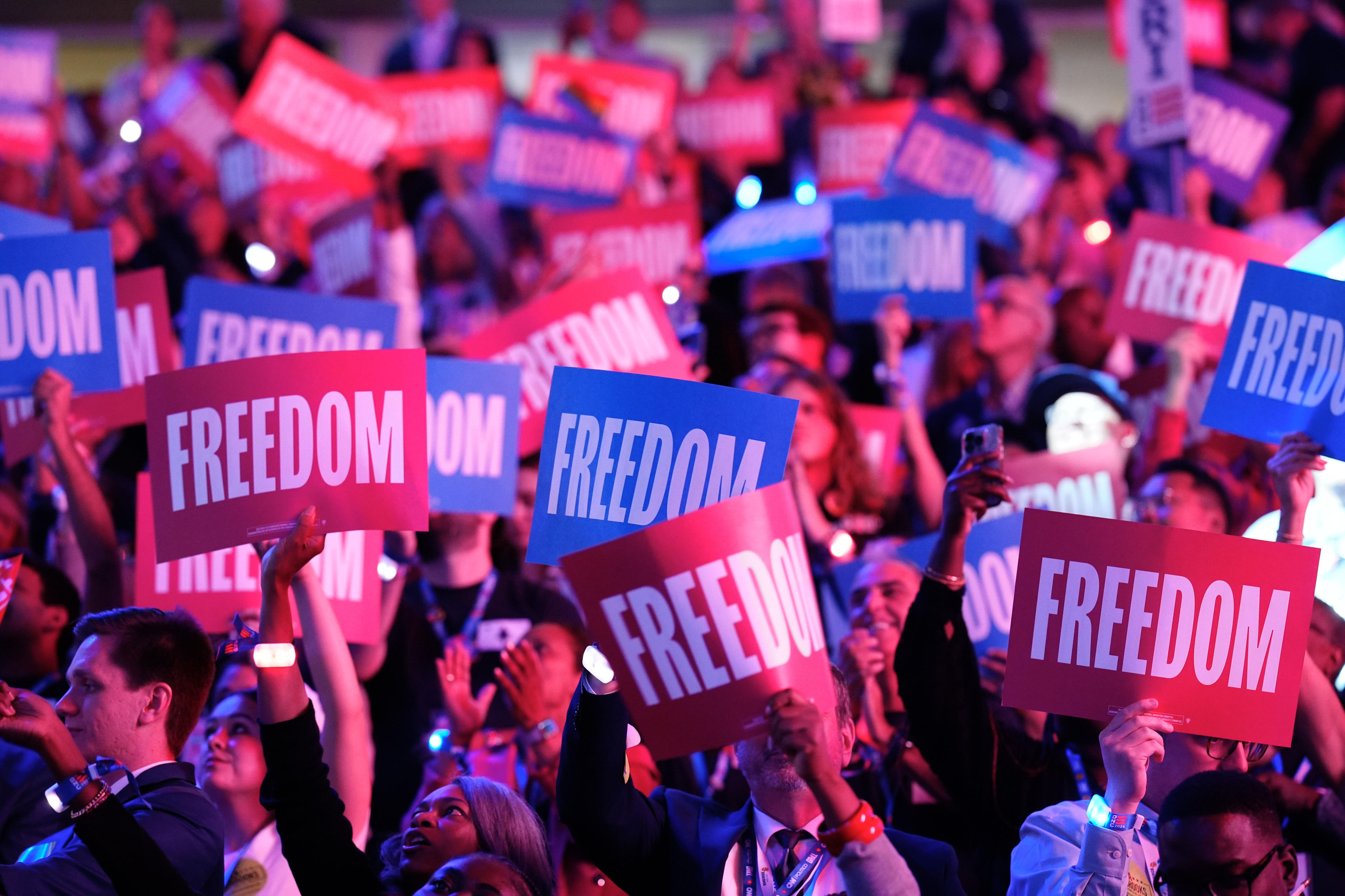 “Freedom!”: Why can’t US politics agree on the meaning of its most basic principle?
Even for a nation obsessed with the concept of “freedom” — or perhaps it would be better to say, concepts, not all of them easily reconciled, some of them utterly incommensurable —…
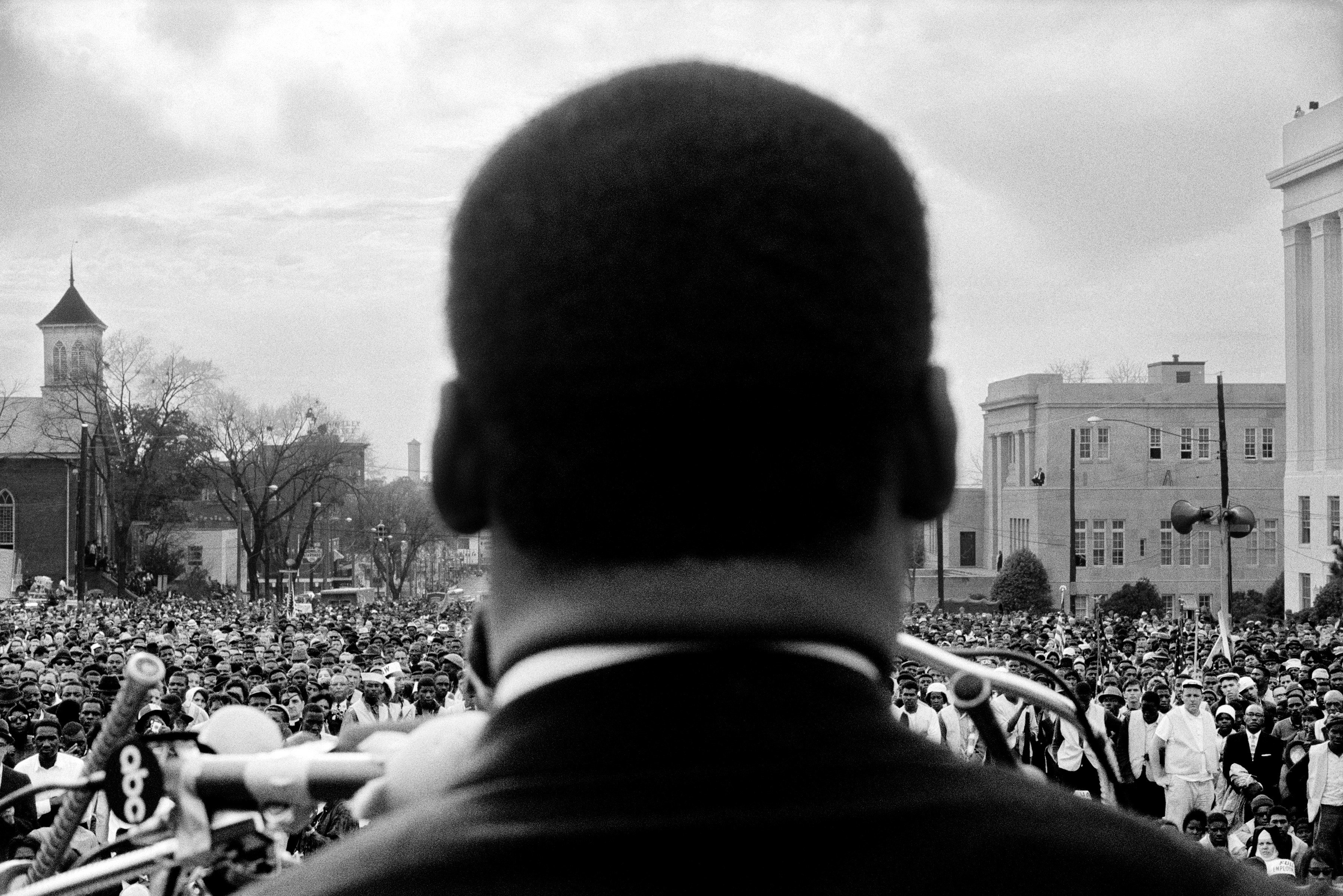 Coleman Hughes, “colourblindness”, and the contentious politics of race
In democracies with a history of racial injustice, are “colourblindness” and recognition of a “common humanity” — which were at the heart of the moral philosophy of Martin Luther K…
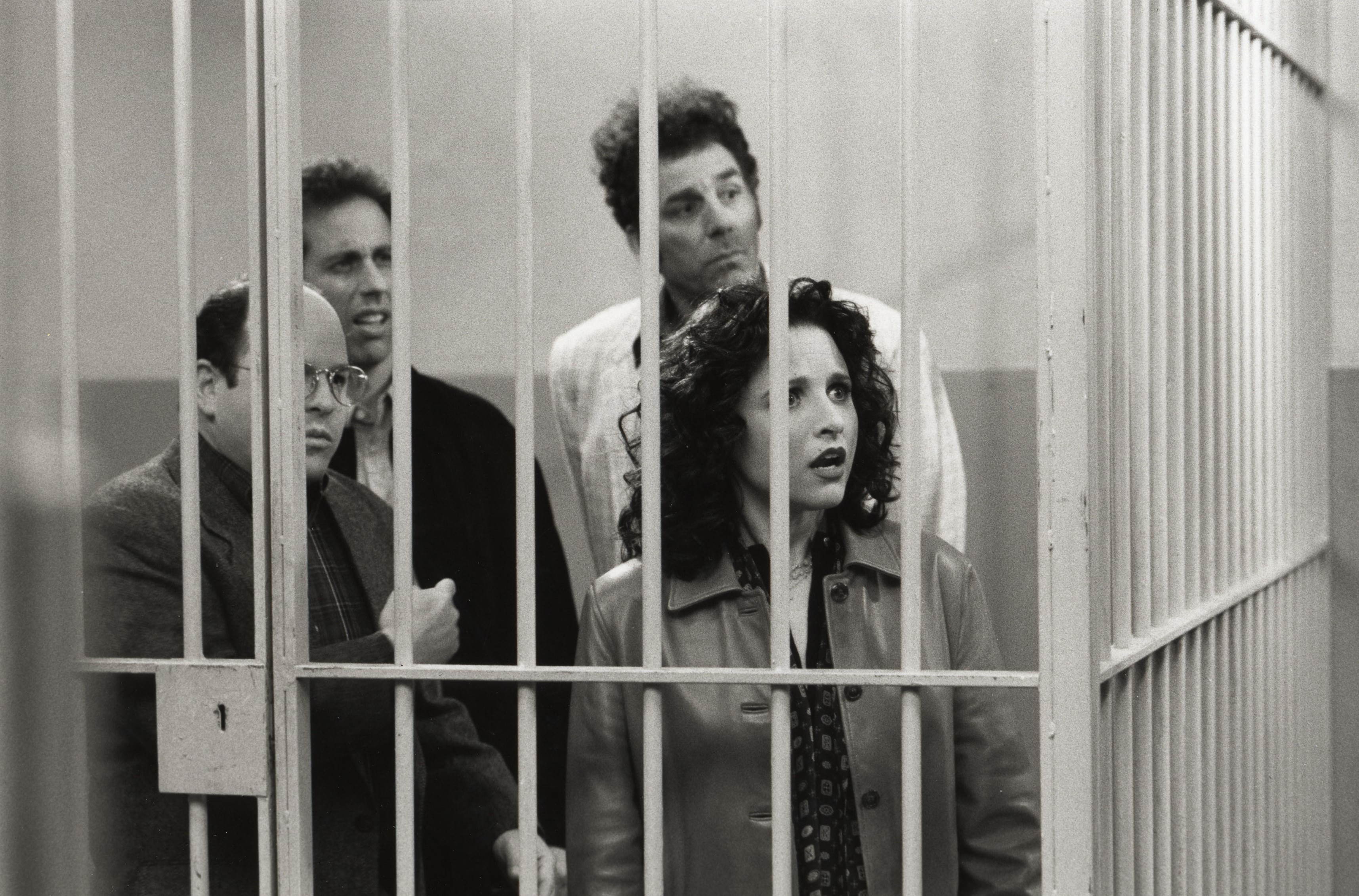 “We live in a society!”: Seinfeld’s “Bizarro” comedy of morals
When the first episode of Seinfeld went to air in 1989, it faced stiff competition from a packed field of American sitcoms. By its finale in 1998, the “show about nothing” had rede…
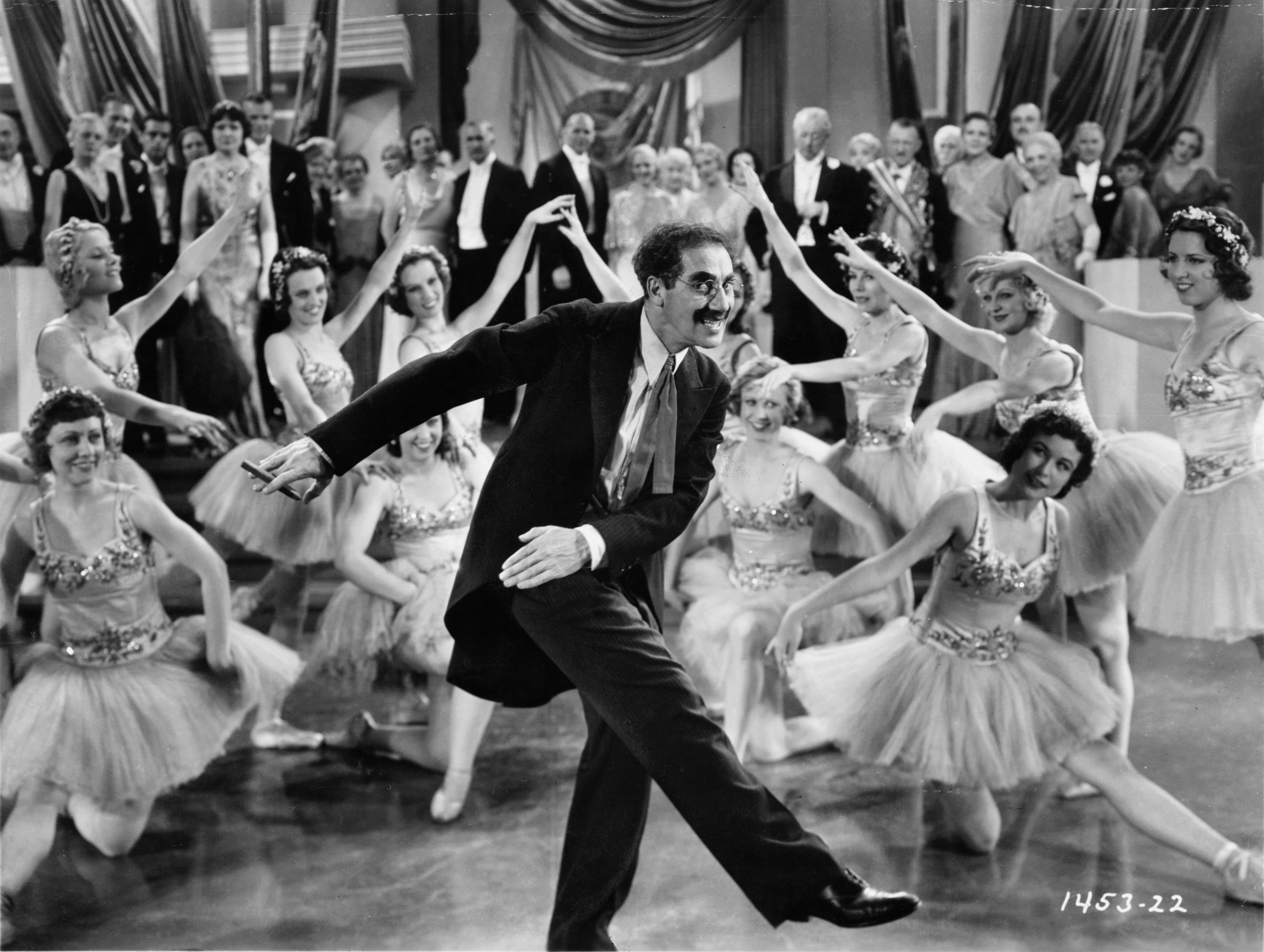 “I don’t want to join any club that would have me as a member”: How funny is irony meant to be?
Humour can often be a response to the sense of being ill-at-home in society — perhaps even ill-at-home in the world. But whether it takes the form of fatalism or self-deprecation,…
 “Time now for just a bit of fun”: Shaun Micallef on the importance of being silly
In one form or another, comedy often proceeds from a certain exaggeration of life — exaggerated bodily movements, or facial expressions, or scenarios, or reactions. These exaggerat…
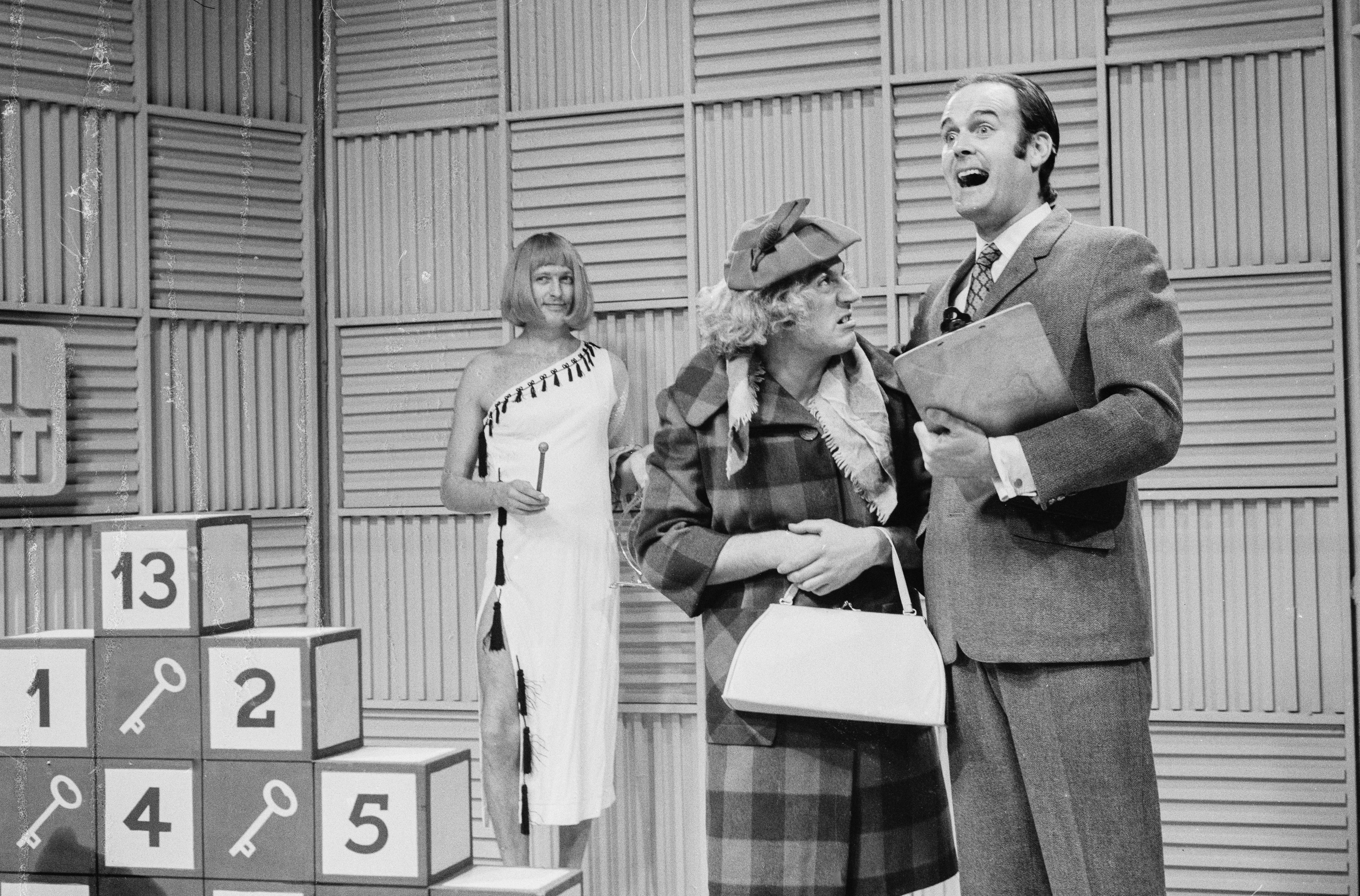 “And now for something completely different”: Why do surprises provoke laughter?
Immanuel Kant called laughter a form of the disappointment of the understanding — which is to say, surprise — for which the body then compensates: “Whatever is to arouse lively, co…
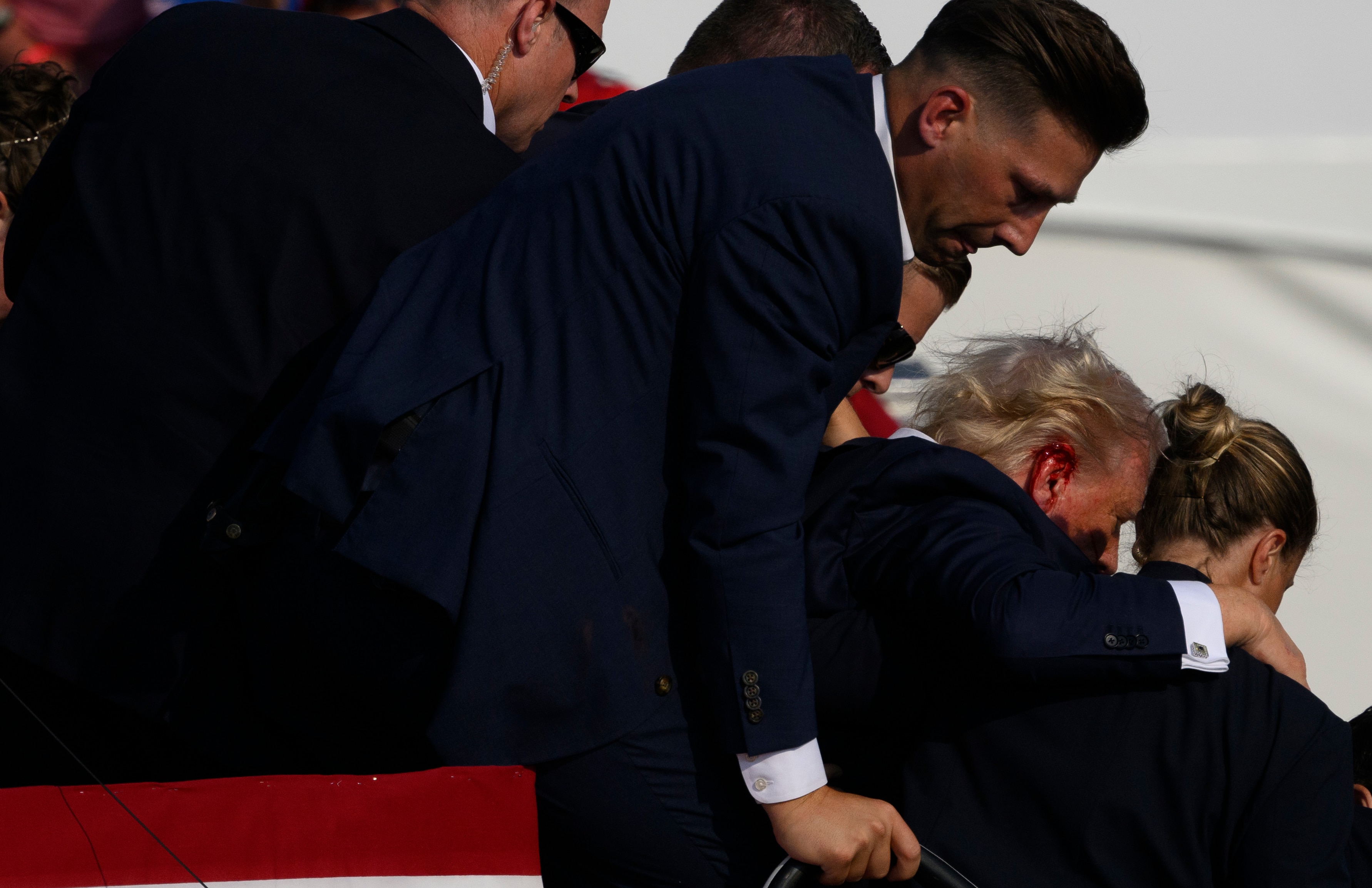 Political violence — why is it so corrosive to democratic life?
The attempted assassination of former US President Donald Trump, while undeniably shocking, was not altogether surprising. It was just the latest blow in a steady drumbeat of polit…
 “There’s a crack in everything”: Richard Fidler on the art of absurdity
Comedy happens when something occurs that makes visible just how futile are our most earnest efforts, and how superficial are our solemnities, our moments of greatest seriousness a…
 In a bespoke and individualistic age, are we losing a sense of “the common”?
Because our lives are increasingly tailor-made, we are constantly seeking ways of distinguishing ourselves from others. What is being lost through it all is our sense of a humanity…
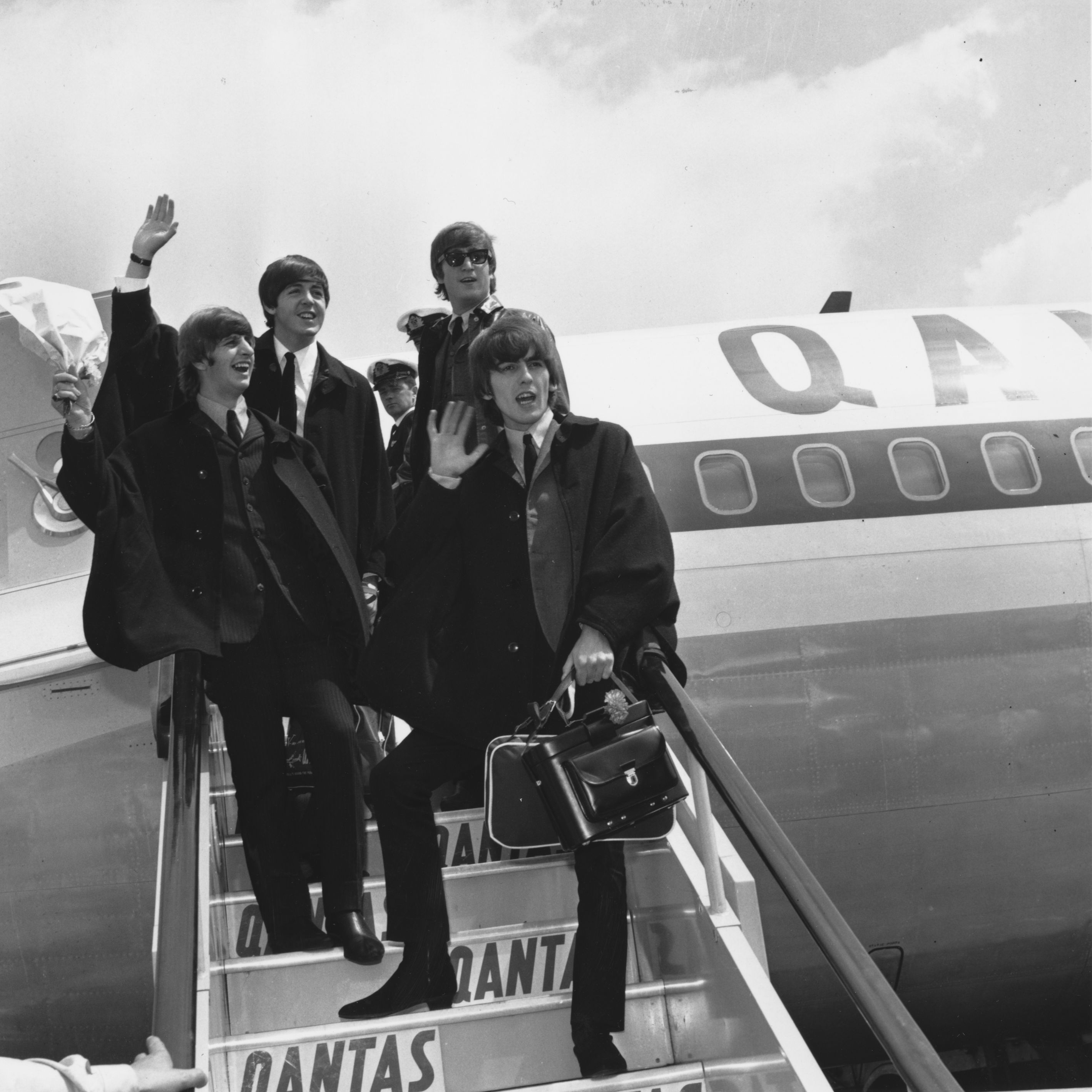 Beatlemania at 60: Why was the band so popular before they were even great?
The Beatles composed their best music in the years after 1965 — so what could account for the ecstatic response the band received in the United States and Australia in 1964? Why we…
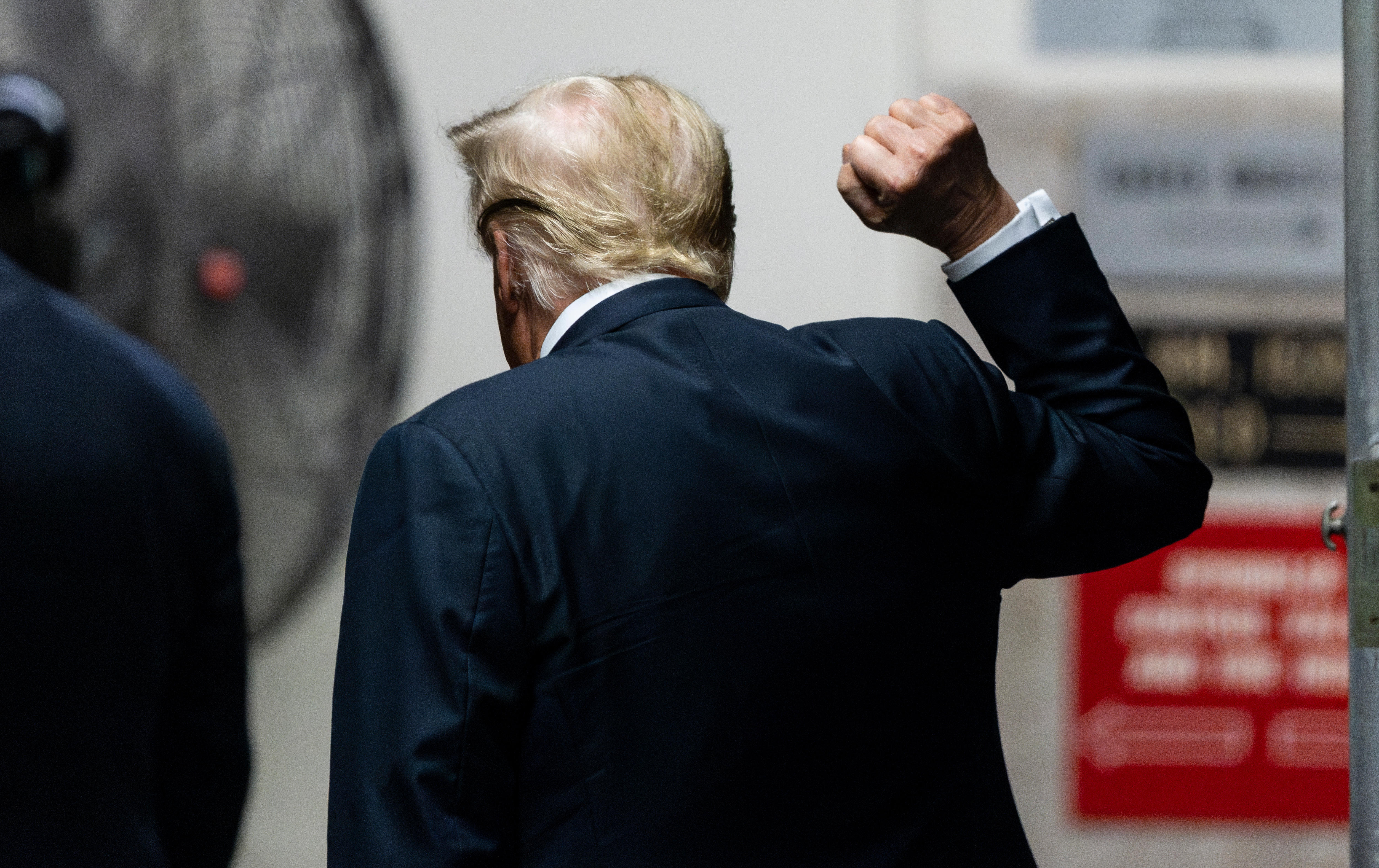 Right verdict, wrong case? The political dangers of Trump’s felony conviction
On 30 May 2024, after two days of deliberation following a five-week trial and hearing the testimony of 22 witnesses, a jury of 12 New Yorkers found former President Donald Trump g…
 Is the rise of the far right in Europe inevitable? It’s complicated
The results of the recent European Parliament elections have only fuelled the growing concern across the member nations of the European Union that far-right, radical right, Eurosce…
 Is it wrong to "rank" works of art?
Apple Music recently released its list of the “100 Best Albums”. It was, without question, a clever marketing technique — but one that raises the problem of whether it’s appropriat…
 Is international law powerless in the face of conflicts like Gaza?
At a time when so many eyes are on international courts, is their apparent failure to protect civilians in Gaza — or to punish the perpetrators of 7 October — further damaging an a…