The Minefield
“The Godfather, Part II” — a parable of corruption and fall artwork

“The Godfather, Part II” — a parable of corruption and fall

The Minefield
54:30
Play episode

Show notes

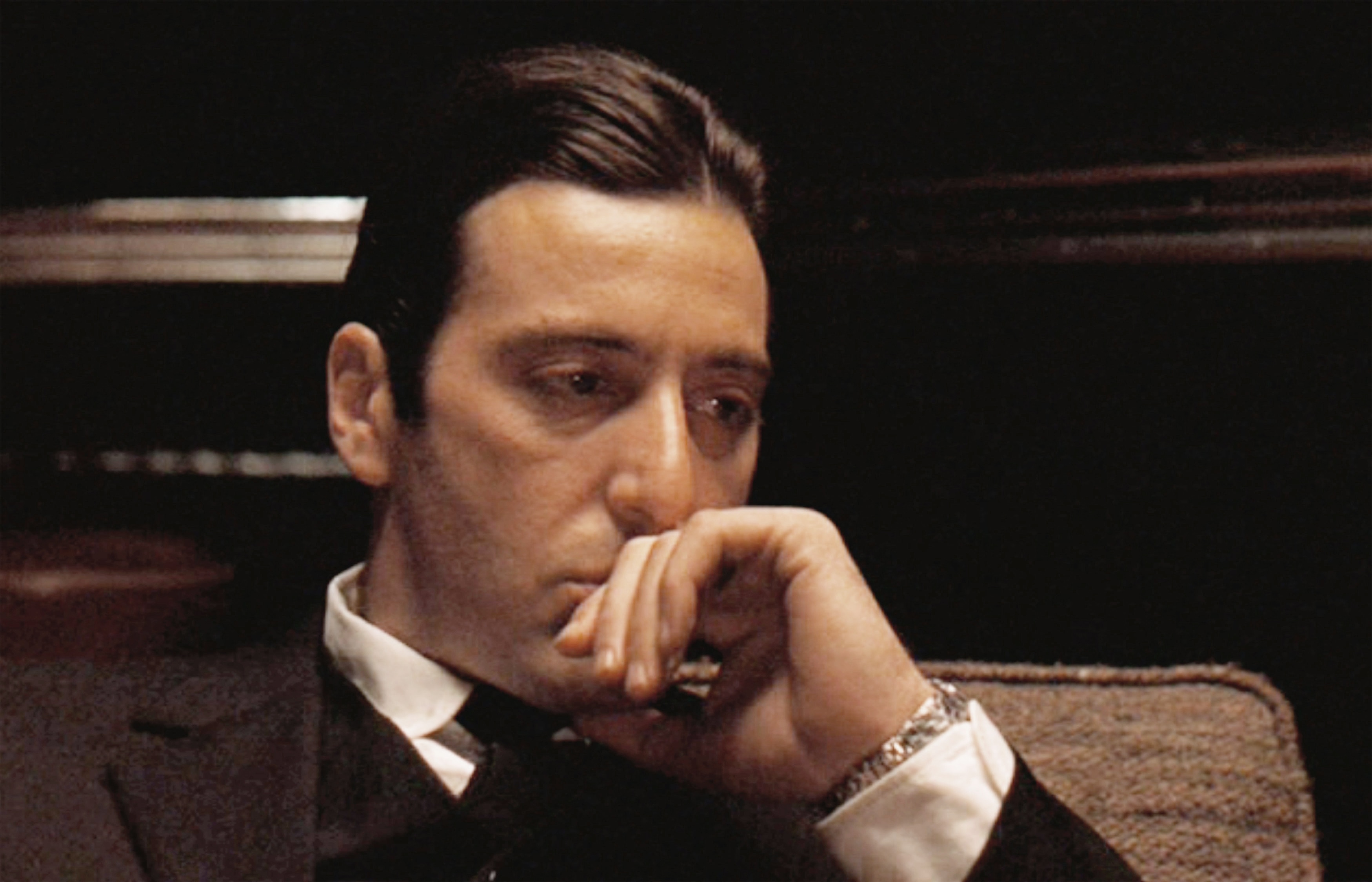
In December 1974, “The Godfather, Part II” premiered in New York City. Following the unlikely success and unexpected acclaim that his 1972 adaptation of Mario Puzo’s bestselling novel received, Francis Ford Coppola was granted almost unlimited discretion to realise his cinematic vision for the sequel — and he used that discretion to greatest possible effect. In fact, “The Godfather” and “The Godfather, Part II” are rare instances of films that far outstrip, in both its narrative depth and its aesthetic form, the source material on which they are based. At the heart of the first two “Godfather” films is a stark contrast. Vito is virtuous within a cinematic universe in which legality and morality are not synonymous: the fact that his assassination of the tyrannical Don Fanucci is celebrated, that his “favours” are beneficent, that he is attentive to his wife and children — all suggest a kind of moral goodness. Whereas Michael, having begun as the most virtuous of Don Corleone’s sons, falls deeper than the others could have gone. Having begun alone, somewhat removed from the family, Michael ends the film utterly, existentially, morally, isolated.
More from this show

More
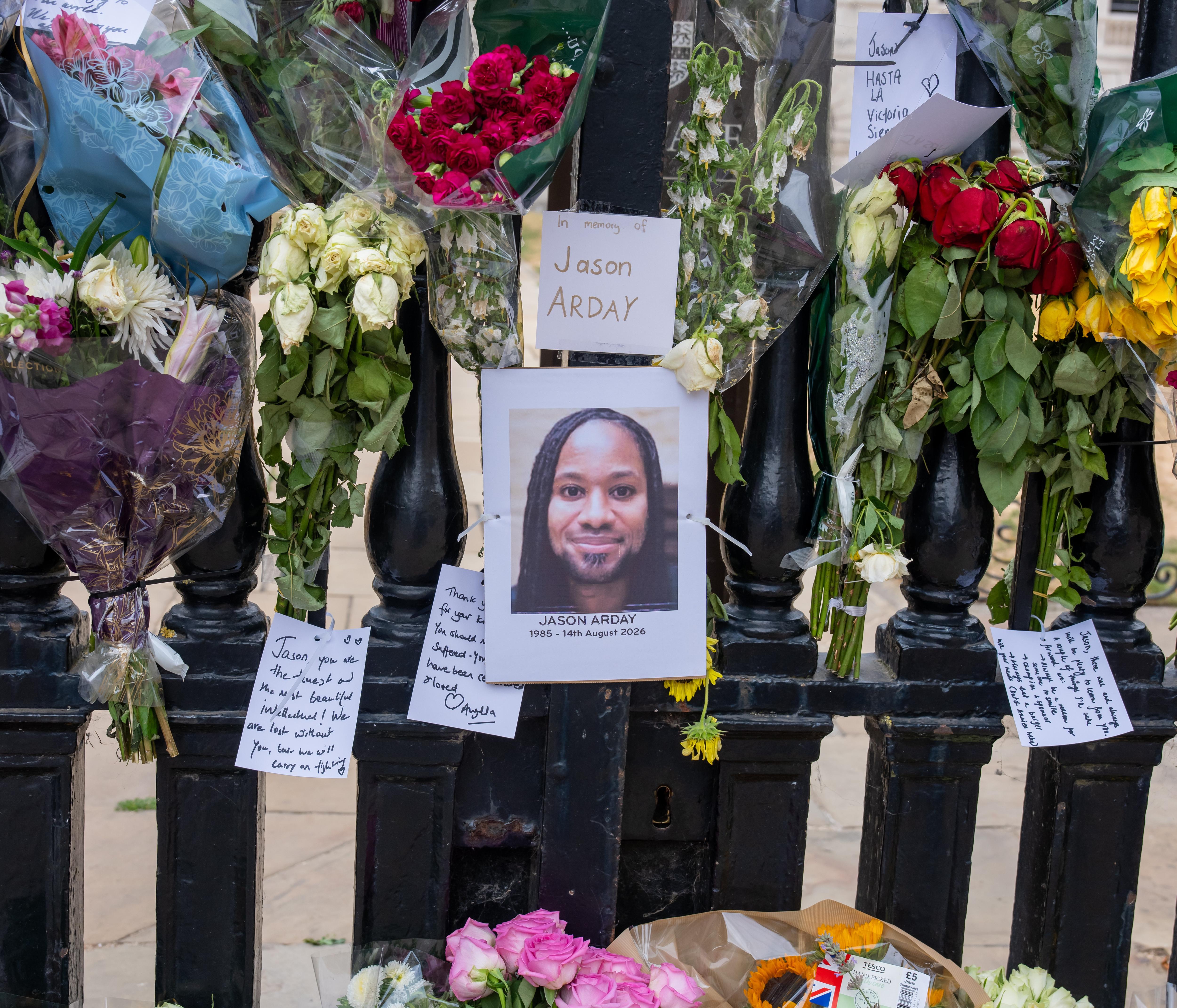
  1. What response does Jason Arday’s life, and death, morally demand?

    It is hard to imagine a series of events more tragic, more unseemly, more emblematic of the performativity and polarisation that dominate our time, than the premature rise, sudden…

    53:36
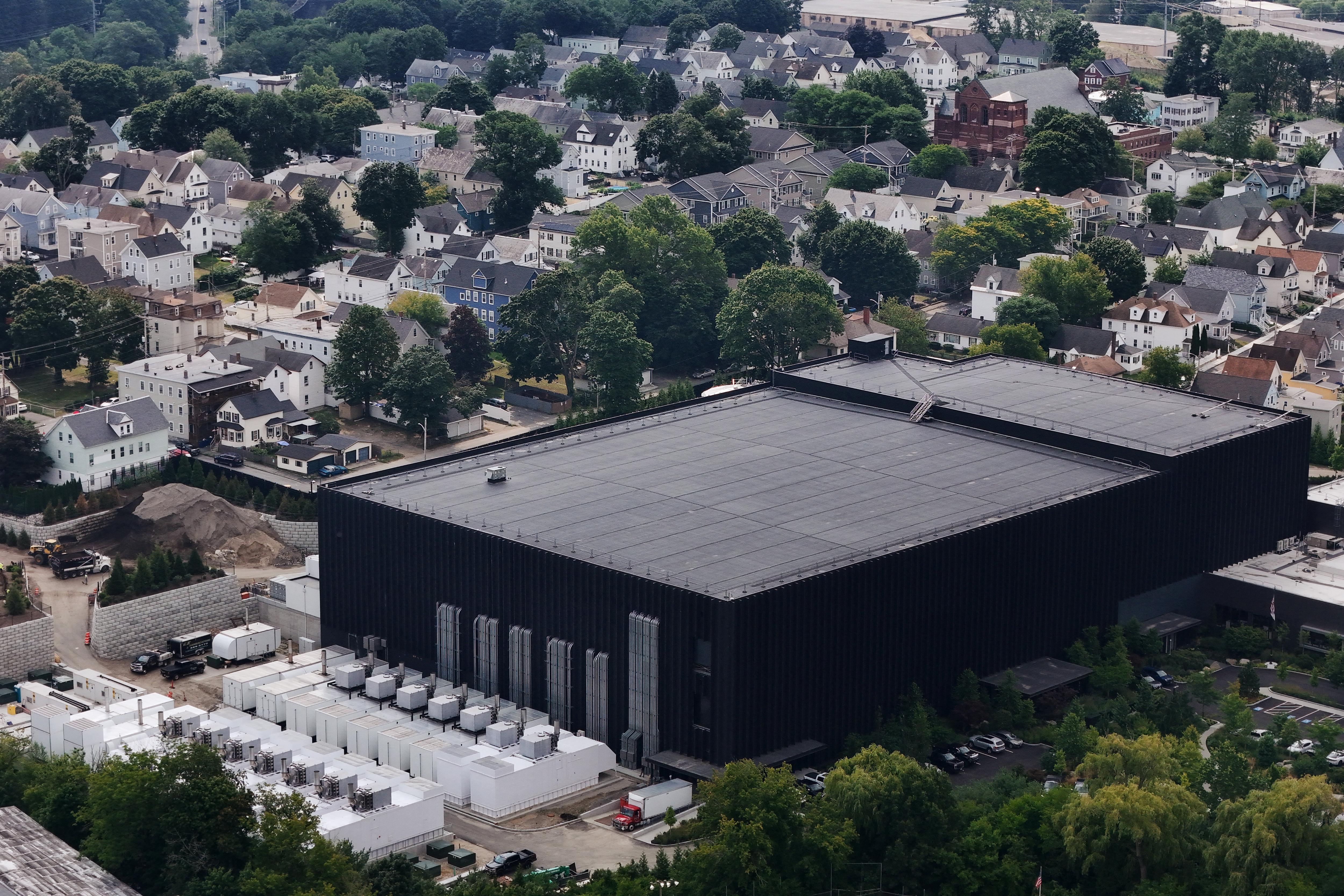
  2. Is opposition to data centres good news for democracy?

    At a time of profound polarisation, when the fracturing of media ecosystems has been so complete that any agreement on threats to our common life seems impossible, an issue has eme…

    54:36
  3. Should fat from cadavers be used for cosmetic procedures?

    The widespread availability of GLP-1 based drugs has been lauded as a “revolution in weight loss” and as inaugurating the “end of obesity”. As we’ve discussed previously, health be…

    54:36
  4. How to protect democratic politics from the malign influence of money?

    Ever since Aristotle, it has been recognised that money poses a particular threat to the integrity of political office. Ever the realist, Aristotle knew that those who seek politic…

    54:36
  5. What happens to our moral lives when we stop reading books?

    According to every available metric, the number of people who read books across almost every demographic in countries like Australia and the United States has fallen precipitously…

    54:08
  6. Do prediction markets enhance our understanding of the world or corrupt it?

    Even for those who don’t gamble, the exponential growth of online sports betting since 2018 has made it impossible to avoid. Not only have odds and ads been seamlessly integrated i…

    54:36
Now Playing
“The Godfather, Part II” — a parable of corruption and fall — The Minefield | Josplay Music