The Minefield
Can illegal wars still be legitimate wars? artwork

Can illegal wars still be legitimate wars?

The Minefield
54:36
Play episode

Show notes

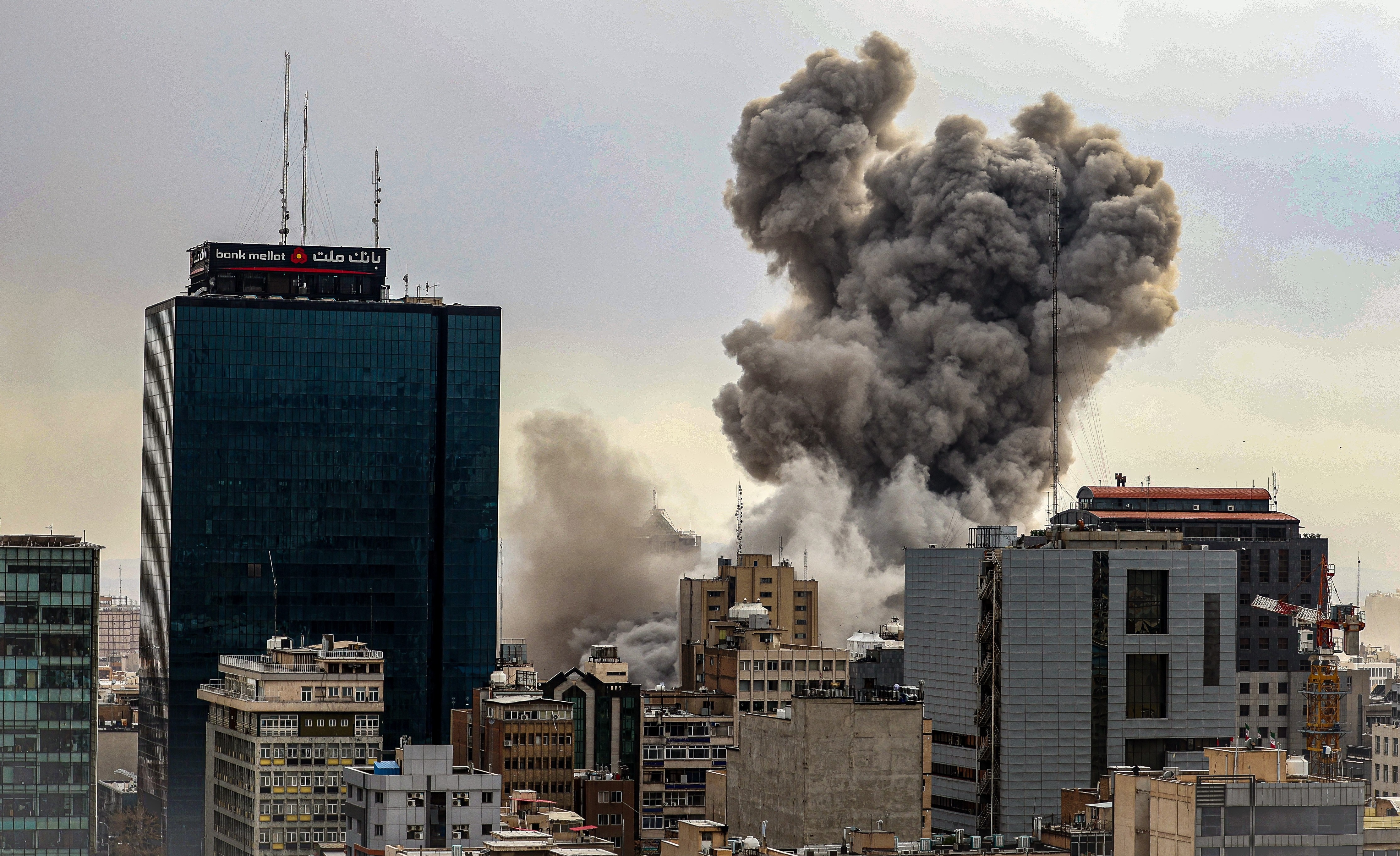
It’s like déjà vu all over again. After launching a devastating but limited series of strikes on Iranian nuclear facilities and against the nation’s top military leaders and nuclear scientists in June last year, the United States and Israel recommenced hostilities against Iran at the end of February. The objectives of this ‘war’ are similar — to eliminate Iran’s nuclear capabilities and remove the senior leadership of the Islamic Republic regime — but its implementation is more thoroughgoing, more open-ended, more uncontainable, and more problematic in terms of its basis in international law. There is near consensus among international law experts that the US-Israeli attacks on Iran come in violation Article 2(4) of the UN Charter. And yet neither the United States nor Israel seem interested in justifying their actions in terms of their legality (unlike their “middle power” allies, who are intent on using the language of “collective self-defence”). In its place are assertions of power, of unassailable might, of moral legitimacy, of “good and evil”, of an “intolerable threat” posed by Iran. The casual way that international law has been cast off in the conflict that is spreading across the Middle East raises pressing and pertinent questions about the moral considerations that undergird international law itself. Guest: Tamer Morris is a Senior Lecturer at the University of Sydney, where he focusses on international law, United Nations peacekeeping and international humanitarian law. You can read his penetrating article on the illegality and (il)legitimacy of the Iran war on ABC Religion and Ethics.

More from this show

More
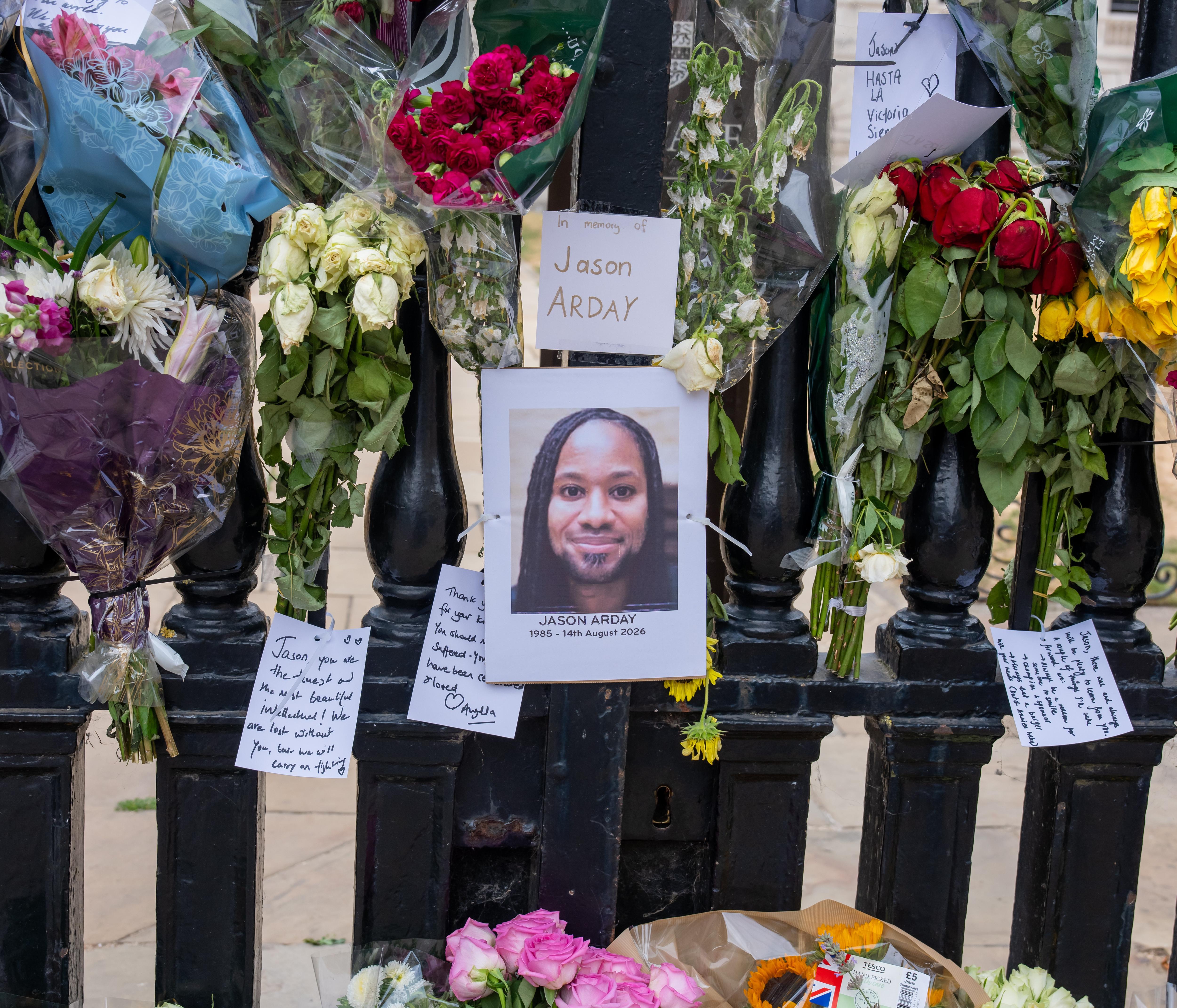
  1. What response does Jason Arday’s life, and death, morally demand?

    It is hard to imagine a series of events more tragic, more unseemly, more emblematic of the performativity and polarisation that dominate our time, than the premature rise, sudden…

    53:36
  2. Is opposition to data centres good news for democracy?

    At a time of profound polarisation, when the fracturing of media ecosystems has been so complete that any agreement on threats to our common life seems impossible, an issue has eme…

    54:36
  3. Should fat from cadavers be used for cosmetic procedures?

    The widespread availability of GLP-1 based drugs has been lauded as a “revolution in weight loss” and as inaugurating the “end of obesity”. As we’ve discussed previously, health be…

    54:36
  4. How to protect democratic politics from the malign influence of money?

    Ever since Aristotle, it has been recognised that money poses a particular threat to the integrity of political office. Ever the realist, Aristotle knew that those who seek politic…

    54:36
  5. What happens to our moral lives when we stop reading books?

    According to every available metric, the number of people who read books across almost every demographic in countries like Australia and the United States has fallen precipitously…

    54:08
  6. Do prediction markets enhance our understanding of the world or corrupt it?

    Even for those who don’t gamble, the exponential growth of online sports betting since 2018 has made it impossible to avoid. Not only have odds and ads been seamlessly integrated i…

    54:36
Now Playing
Can illegal wars still be legitimate wars? — The Minefield | Josplay Music