Will weight loss drugs entrench cultural expectations about body size?
The MinefieldPlay episode
Show notes
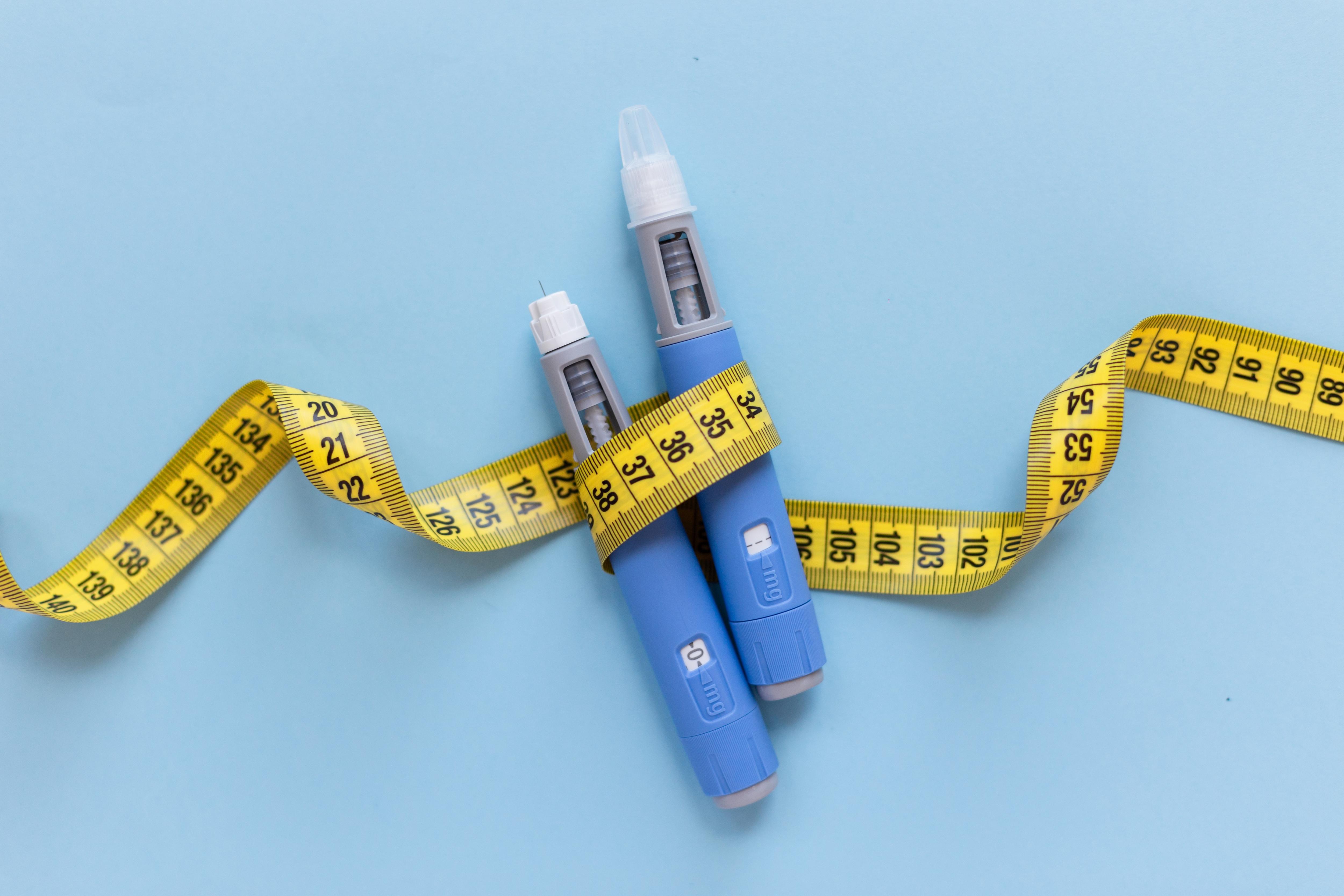
Ever since 2023, a class of GPL-1 based drugs — which for two decades were used to treat type 2 diabetes — have been heralded as a “revolution in weight loss” and signalling the “end of obesity”. While these drugs go by different names, they’ve become popularly grouped under the shorthand “Ozempic”.
It’s no exaggeration to say that Ozempic has become a cultural phenomenon. Millions of people in the United States, Australia, South Korea, the UK, the EU take semaglutide injections, not to treat diabetes, but in order to reduce their hunger and eliminate what is sometimes called “food noise”.
Obesity has long been moralised — associated with laziness, ill-disciplined eating, poor diet, a general lack of self-control. But expensive weight loss drugs like Ozempic have, to date, exacerbated the class dimension of obesity. This was nicely captured in a 2024 South Park episode (called “The End of Obesity”), in which Cartman is denied a prescription because the drug isn’t covered by insurance and his mother can’t afford it; as a consolation, the doctor recommends that he listens to more Lizzo. Cartman’s response: “Rich people get Ozempic, poor people get body positivity.”
This begins to point to one of the most troubling aspects of the widespread use of weight loss drugs. It does not have to do with their use per se, or their further applications (to other health conditions or to treat other forms of addiction). Even the question of prohibitive cost may soon be partially resolved with plans underway to make some GPL-1 drugs more affordable.
The more concerning issue is the cultural environment in which drugs like Wegovy or Mounjaro or Ozempic are now being taken up — cultures long preoccupied with dieting and weight loss, and which have elevated the physical aesthetic attributes of thinness, firmness, smoothness and vigour to the level of virtues, even moral demands. Conversely, obesity is stigmatised as ugliness, incontinence, laziness, a sign of servitude to cravings and bad habits.
Such that, even when the sleek physical appearance achieved by means of, say, Ozempic, and has nothing to do with self-control or superior habits, its users continue to accrue the social benefits associated with thinness.
The testimony of women and men, for instance, who have career or social opportunities open up to them after using Ozempic is, frankly, heartbreaking and often contemptible.
If we want to laud the health benefits of weight loss drugs, and explore their application to help address other forms of harmful behaviour, that’s one thing. But to use such drugs to reinforce a kind of cultural aesthetic hierarchy is both troubling and ethically problematic.
If you, or someone you know, is struggling with an eating disorder or with body image, support is available. You can call the Butterfly Foundation on 1800 33 4673.