The Minefield
Why is our response to humanitarian crises so complicated — and inconsistent? artwork

Why is our response to humanitarian crises so complicated — and inconsistent?

The Minefield
52:49
Play episode

Show notes

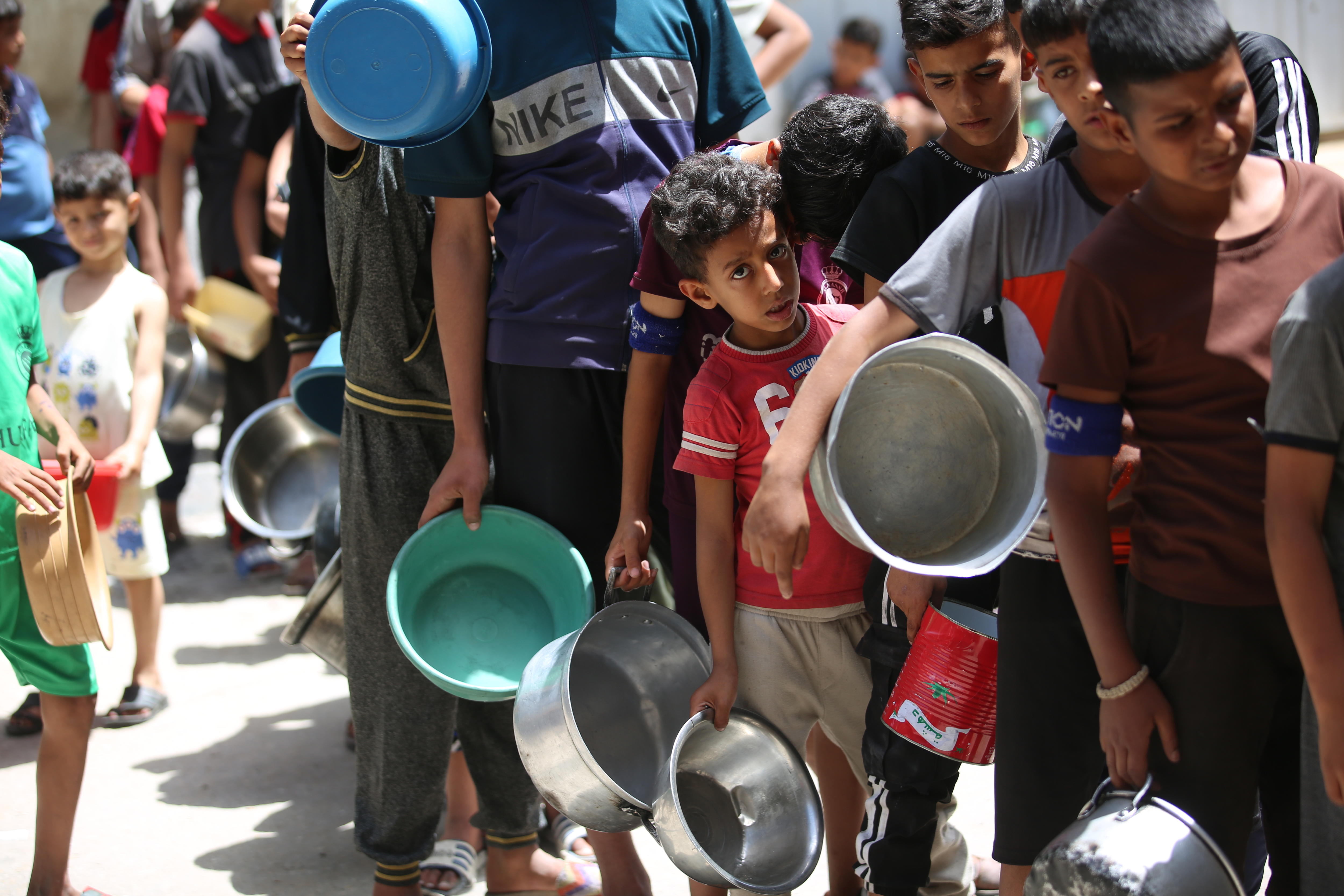
Over the last two years, many in Australia and around the world have watched in horror as Sudan, Gaza and other zones of mass violence descend into humanitarian crises of devastating proportions. And while the cause of each crisis is unique, the consequences tend to share common characteristics — for especially civilians: millions of people are displaced and left without homes to return to; basic social infrastructure, hospitals and schools are reduced to ruins; tens of thousands of men, women and children are targeted for killing or die due to fighting, disease and the lack of food; sexual violence and torture are widespread; and starvation is deliberately employed as a weapon of war. The scale and sheer desperation of the humanitarian crises in Sudan and Gaza ought to sear the souls of anyone committed to the notion of human dignity and the belief in a common humanity. But the tendency of so many in Australia — though we are by no means unusual in this regard — is to permit humanitarian concern and moral attentiveness to the plight of others to pass in and out of focus. Is there a moral imperative on citizens to remain attentive, to enlarge their capacity for sympathy, to make democratic “noise” in the policy deliberations of our elected representatives? If so, how might the capacity for that attentiveness be cultivated, and in what ways should it manifest in order to serve the people we are trying to protect?

More from this show

More
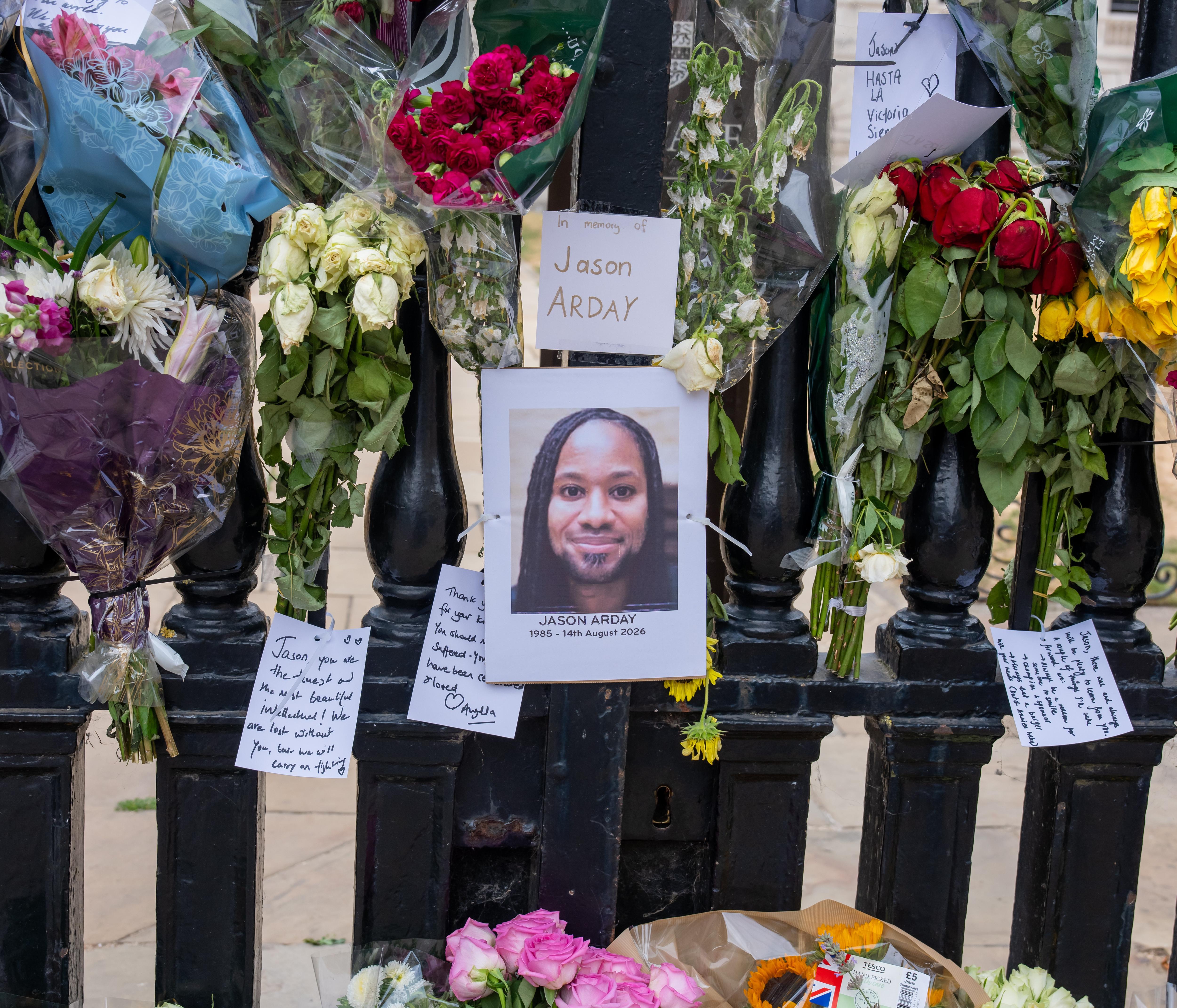
  1. What response does Jason Arday’s life, and death, morally demand?

    It is hard to imagine a series of events more tragic, more unseemly, more emblematic of the performativity and polarisation that dominate our time, than the premature rise, sudden…

    53:36
  2. Is opposition to data centres good news for democracy?

    At a time of profound polarisation, when the fracturing of media ecosystems has been so complete that any agreement on threats to our common life seems impossible, an issue has eme…

    54:36
  3. Should fat from cadavers be used for cosmetic procedures?

    The widespread availability of GLP-1 based drugs has been lauded as a “revolution in weight loss” and as inaugurating the “end of obesity”. As we’ve discussed previously, health be…

    54:36
  4. How to protect democratic politics from the malign influence of money?

    Ever since Aristotle, it has been recognised that money poses a particular threat to the integrity of political office. Ever the realist, Aristotle knew that those who seek politic…

    54:36
  5. What happens to our moral lives when we stop reading books?

    According to every available metric, the number of people who read books across almost every demographic in countries like Australia and the United States has fallen precipitously…

    54:08
  6. Do prediction markets enhance our understanding of the world or corrupt it?

    Even for those who don’t gamble, the exponential growth of online sports betting since 2018 has made it impossible to avoid. Not only have odds and ads been seamlessly integrated i…

    54:36
Now Playing